If you enjoy a little advent-urous, a capella, acoustics – a date for your diaries:
Saturday 14th December – Melton, St. Mary’s…
Flyer image can be shared found here: GIF or PDF – do share!
Pies and wine too, all in a good cause!
Anchoring in the shire, with family, friends, coffee and cheese… always looking…
Time, ferry me down the river,
Friends carry me safely over
Life, tend me on my journey
Love call me home.
Peggy Seeger – Love Call Me Home
The act of singing releases endorphins, the brain’s “feel good” chemicals. Singing in front of and essentially with others can be even more rewarding.
Singing is arguably a primal action, to express oneself in song – pre-language. It could be said that, habitual structured language might even inhibit essential expression, feeling, thought and being.
Singing requires deeper breathing. Singing can have some of the same effects as exercise. It’s an aerobic activity: more oxygen into the blood, better circulation, helps with a “good” mood.
Many studies have found that after people take part in a singing programs, over time there are significant decreases in both anxiety and depression levels and that habitual singers find that singing plays a central role in their psychological health. Singing requires attention, it’s hard to worry about work or money or family problems when you’re actively engaged in singing.
The pre-language primal song of course was a group social activity – the war chant, the rain dance, singing down the mine, cries from the plantation, the pub singalong, traditional church singing, celebrations “happy birthday to you” – realisation that you are one of a group, identification, belonging, sharing…
In modern (or dare I say post-modern) times, yes there are many clubs, groups, and subcultures that help people to interact (the interaction between things is what makes them fecund), but the act of “really singing” goes much further towards tackling the loneliness that often comes along with our (in?)human current culture.
This week Close Harmony enjoyed an evening in Melton Library.
Close Harmony are a small singing group from Melton Mowbray, made up of members of the large a capella community choir Global Harmony.
Recordings below are recorded with a mobile-phone in the corner of the room: not ideal but you get an impression…
An Thou Were My Ain Thing:
Calon Lan:
Noyana:
Love Call Me Home:
Cancion Mixteca:
You can’t panel beat a person’s brain!
With good cycle infrastructure drivers don’t have to ‘worry about’ cyclists, they are kept separate. Everyone benefits.
For three years I have cycle commuted 7 miles to and fro Leicester, rain and shine.
I have learnt over that time that mainly due to the general culture or manner of road-driving in urban areas, segregated paths are safer than roads.
On the roads, rules and common sense can be employed but constant attention and concentration is needed for cycling on urban roads – it is not a place for children or a casual attitude. You can’t panel beat a person’s brain!
Good: (room for improvement) A few short segregated shared cycle paths into Leicester are good: like Syston, Goscote and Thurmaston
Bad: Some are, well… poor:
Ugly: Road cycling’s the bit…. another story.
It would not take much (relatively) to employ quality segregated cycle paths on main routes.
Same old common sense argument: This would make more room for vehicles and public transport, it would be safer and easier to cycle and more people would cycle – I remember the day when I said in no uncertain terms “cycle to work? you must be joking – out of the question” but I have now sold my car, and I’ve been cycling for three years snow or shine.
Alas, cycling on the roads is not for the faint hearted.
You can’t panel beat a person’s brain!
Watermead Sunday Sept 22, a set on Flickr.
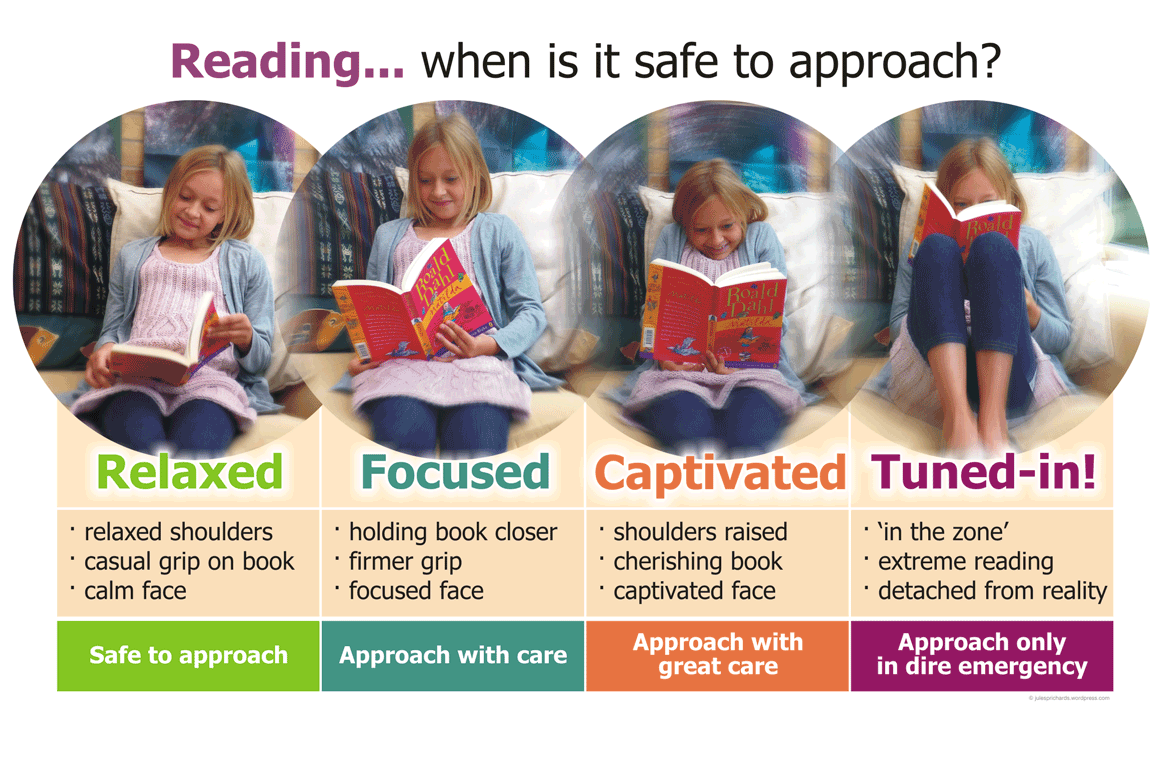
After admiring the sketch from Reenin (Emily) in deviantart I’ve put this graphic together for the Bookmark People – still love her illustrations though.
A 2021 update on the below:
Driving ~7.5 miles @ 7.5mpl, £1.45p/litre, costs £1.45 each way, that’s £ 14.50/week.
A 2018 update on the below:
Driving ~8 miles @ 7.5mpl, £1.26p/litre, costs £1.35 each way, that’s £13.50/week.

A 2017 update to the below:
Now ~9.6miles, 7.5mpl, £1.18p/litre
= £1.51 each way = £15.10/week
A 2015 fuel costs update to the below:
7.7 miles, 7.7mpl, £1.08p/litre
= £1.08 each way = £10.80/week
2013…
I’ve said it before and OK, it’s not about ‘time’, or ‘cost’, but just for the record:
On Monday (sometime in 2013) my bike was in for an annual service – and when you commute by bike, everyday, through all seasons, take my word for it, it’ll need a good service!
So Monday I took the bus: Novel
It took a bus 55mins! (+10min walk), Tickets £2.60 x 2, week ticket £25
(return is £6 duh!), £100/mth
+patience
On Tuesday I thought I’d try the car: humm, sedentary…
Car journey took 29mins, fuel £1.32 x 2, £13.20/week,
£52.80*/mth +legal* £37/mth, total £90/mth
+ Car maintenance costs**
Back on the refurbed bike on Wednesday! Ah! You know you’re alive – energy!
Bike, 34mins, fuel banana 20p. £1/week, £4/month
+Bike maintenance costs**

So Car 29mins, £14/week +costs,
then Bike 34mins £1/week +costs.
then Bus 55mins £25/week +patience.
*7.5 miles, 35 mpg, £1.35/litre = £1.32 fuel (£52.80/4weeks)
Annual legal costs: tax £100, insurance £300, mot £50 = £450
**Car and Bike maintenance costs, no comparison at present but could be similar on average.
2015 UPDATE : 7.7 miles, 7.7 mpl, £1.08p/litre = £1.08 each way = £10.80/week
2017 update : Now ~9.6miles, 7.5mpl, £1.18p/l = £1.51 each way = £15.10/week
2018 update : ~8 miles @ 7.5mpl, £1.26p/litre, costs £1.35 each way = £13.50/week.
2021 update ~7.5 miles @ 7.5mpl, £1.45p/litre, costs £1.45 each way = £ 14.50/week.
What a fabulously nutritious and soothingly vibrant time we had. Much to imbibe, chew on, reflect on and be thankful for!
Thanks! to the Syston & Birstall Meth crowd, the Cornish contingent, and the Mansfield troop, for their company!
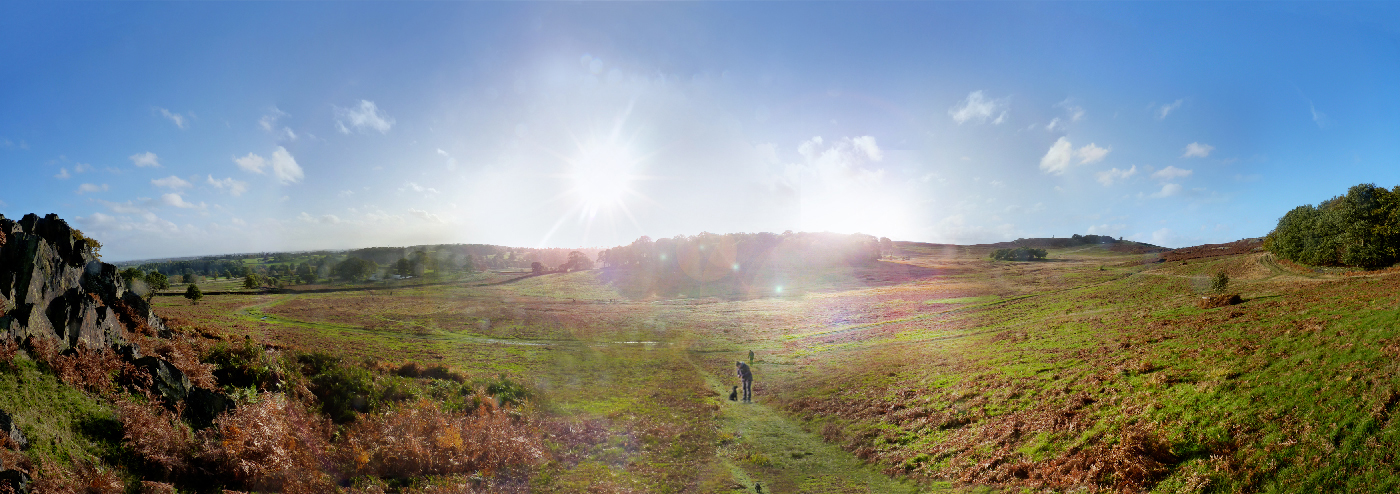
Fresh from the camera – here’s a few images that might capture a certain aspect of the weekend.
The sun’s energy was always present, all be it sometimes accompanied by a lurking grey doubt…

The weekend was, and still is, essentially, about ‘people‘…

…as well as being about you and me. Birstall & Syston Greenbelters

Energy was a key element – fuelled by music, art, a 40th anniversary (and crepes etc)

Key points – meeting relies, and friends, Duke Special, Grace Petrie, Courtney Pine, Fat & Frantic, Austin Francis Connection, Fischy Music, Blunderbus Theatre, London Com. Gospel Choir, The Temperance Movement, Thea Gilmore, Sunday Morning, Steve Chalk, Barbara Brown Taylor, to name but a few….
“Sunday morning reflections”
I first went to GB in 1988 like a long-lost friend it’s honest and holds no grudges. Long may ‘it’ last!
I’ve always had cause to reconsider my experience of growing up in Cornwall – you can take the boy out of the county but not the county out of the boy etc… yadda yadda.
I have always failed to summarise this essential attitude that seems to pervade much of the Cornish being – previously, the best I could come up with is a curious ‘contentedness’ with their meagre lot. A brash humility, not necessarily humble contentment, but a brackish contentedness… a rough softness… a sugary saffron bun on a salty sea wall.
The steam engine and 3000 foot shafts were Cornish…
At sea, the most dangerous civilian job in the UK was Cornish…
The lichen and moss (soft silky) that coats many a granite outcrop is “Cornish”…
Causley’s Tim Winters was/is essentially Cornish…
Cornwall is the the second poorest place in the UK. It’s a place of contrasts: with expensive yachts and luxury second homes for Tarquin and Jessica’s summer sojourn, a place of union-jack shorts, Carlsberg nites, plastic buckets and chicken nuggets for Vince and Pat. It’s a place of community eating and religious feasting. It’s a place of craft and art as well as back-of-a-lorry markets. It was a place of place of warm chapels and cold pews. It was my home. It has a deep rich if damp past and an unknown future. Fantastic weather and a harsh climate.
Moving on from ‘contentedness’, I have recently reconsidered the notion of ‘reverence’.
In her book “An Altar in the World”, Barbara Brown Taylor, quotes Paul Woofruff “To forget that you are only human… to think you can act like a god – this is the opposite of reverence” Reverence – a virtue that keeps people from trying to act like gods. Barbara says “While most of us live in a culture that reveres money, reveres power, reveres education and religion, Woodruff argues that true reverence cannot be for anything that human beings can make or manage by ourselves. By definition, he says, reverence is the recognition of something greater than the self – something that is beyond human creation or control, that transcends full human understanding.”
My recollection of the Cornish world-scape recalls a sustaining reverence. The land sea and sky are so much bigger, the engineering and raw-material trades are harsh, the summer sun burns harder and brighter than man’s endeavour.
The Cornish love of music is another essential quality that I have always lived with.
Moving ‘up to England’ and losing touch with a ‘contented reverence’, I similarly found that a love of real music can be lost in the manufactured world that we find ourselves consumed by.
Bjork and David Attenborough recently discussed that essentially “singing is more fundamental to us than speaking”, and notions of the sublime, symmetry, transcendence, simplicity.
Musical expression is essential to human life? Live music, sound, reverberates, resounds, emotion… Song and rhythm agitate energy that can lift and stir…
Can I posit that feeling is more fundamental than thinking?…
The combination of emotional expression and an essential reverence, now there’s a thought.
Bad Weather and Glorious Views (just some foughts)
AJ and PT demonstrate – as featured by the Bookmark People