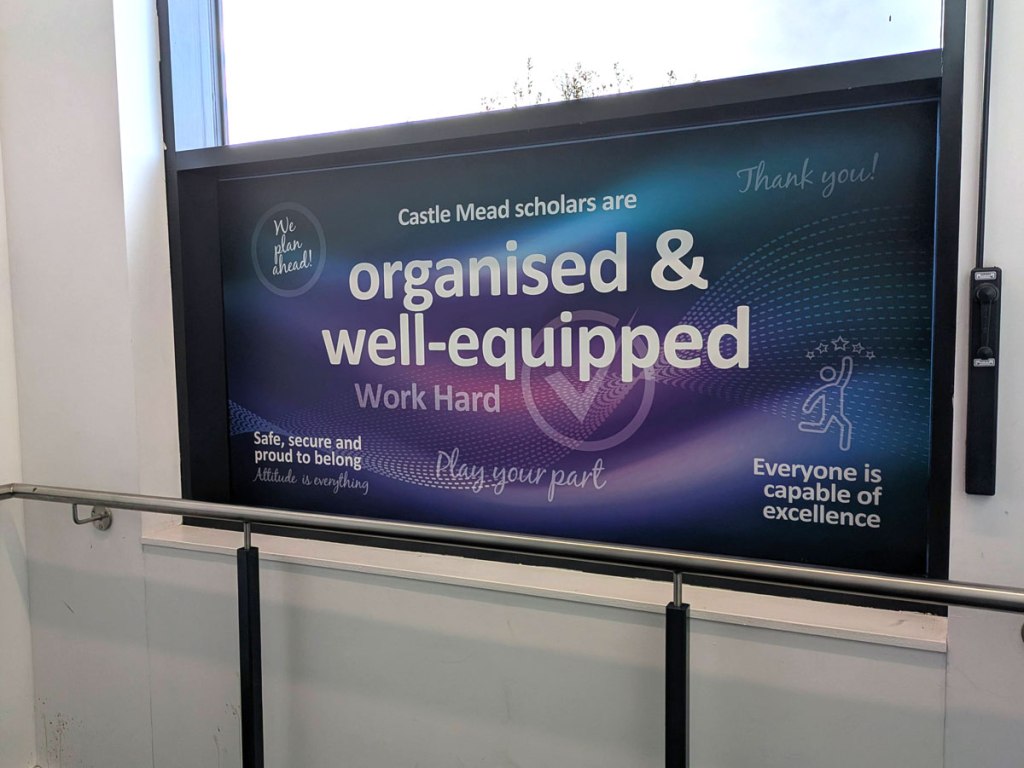
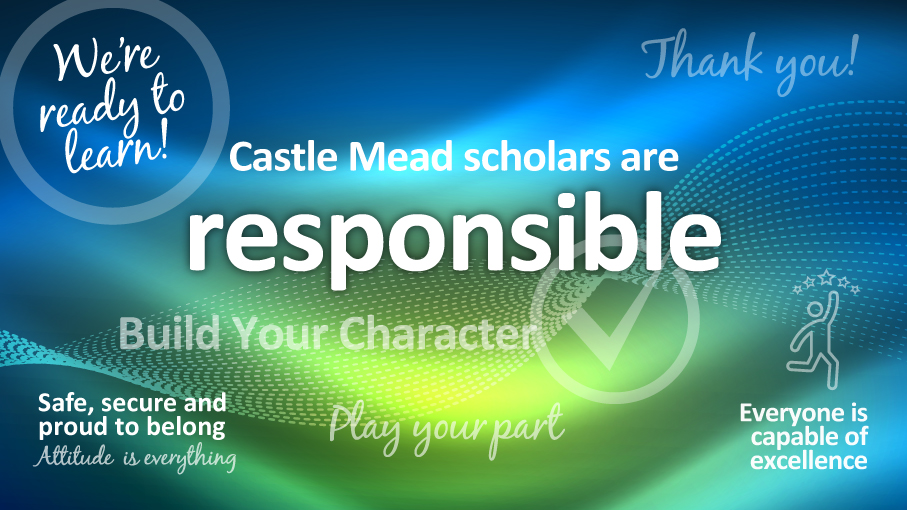
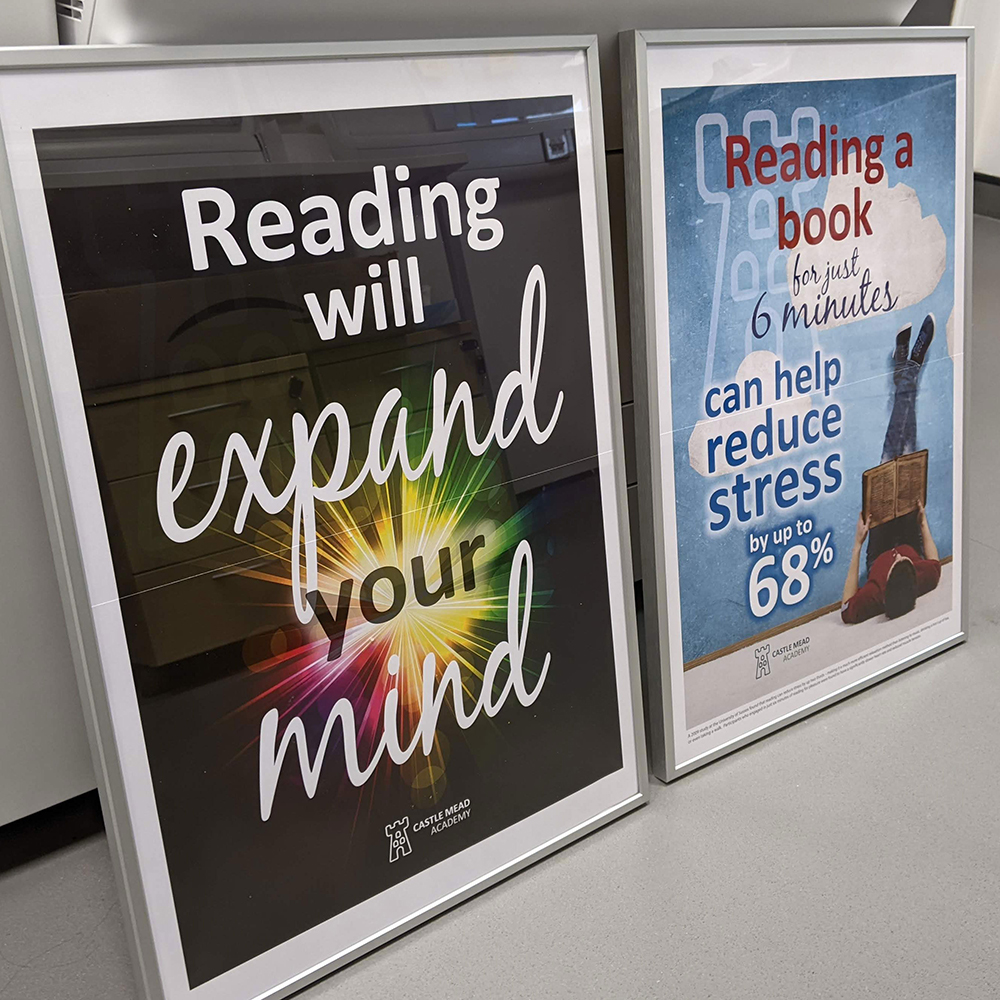
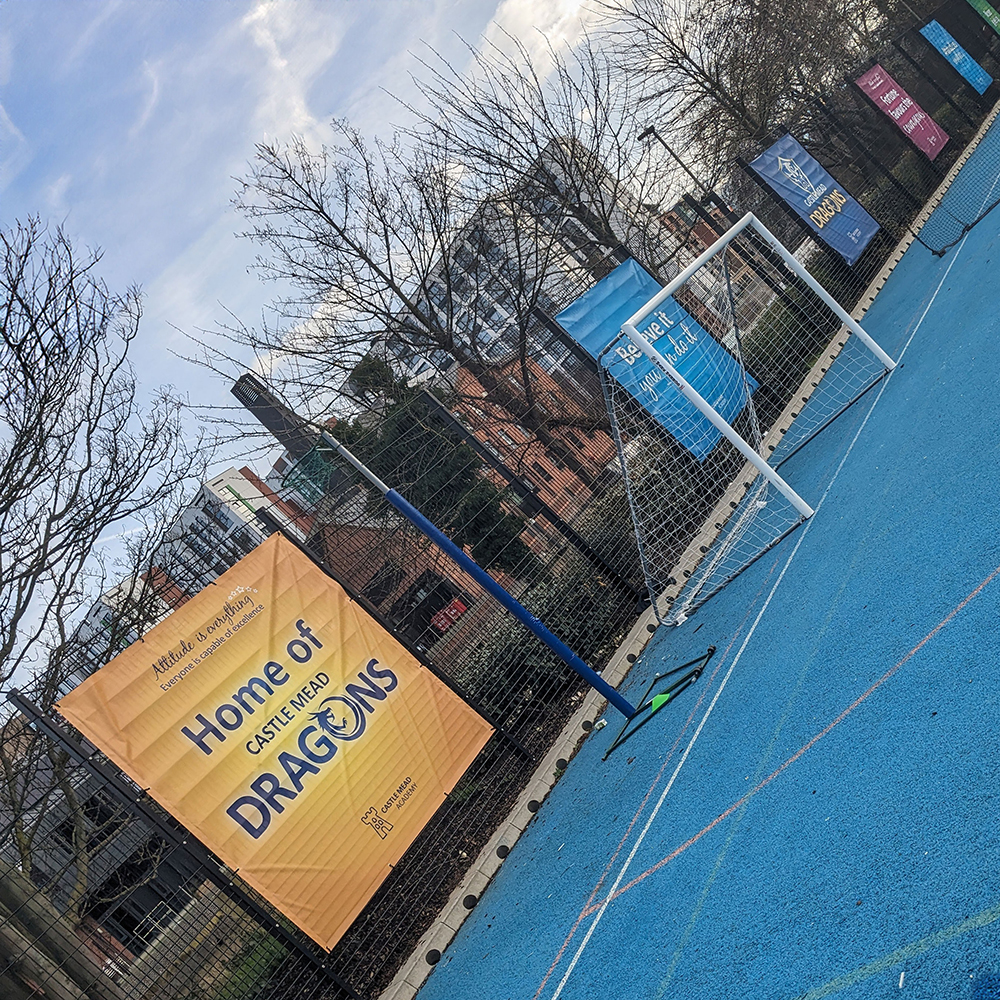
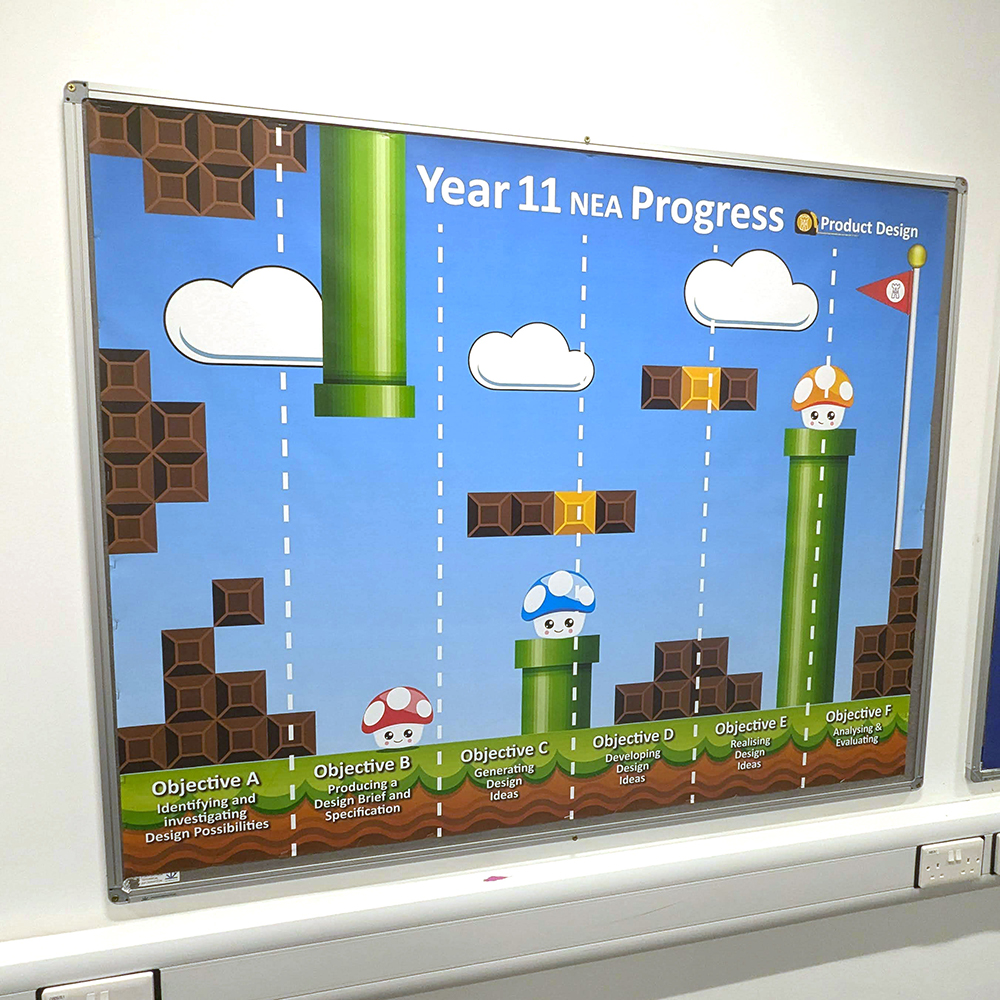
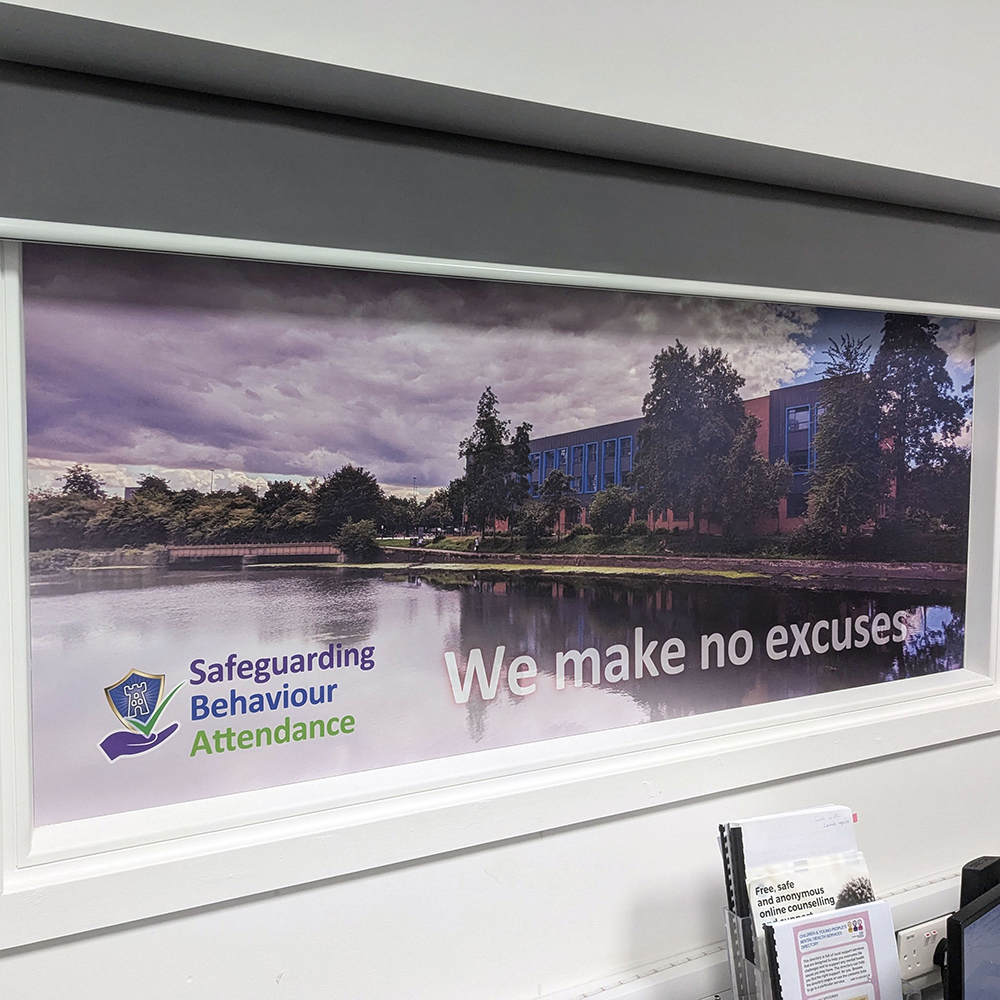
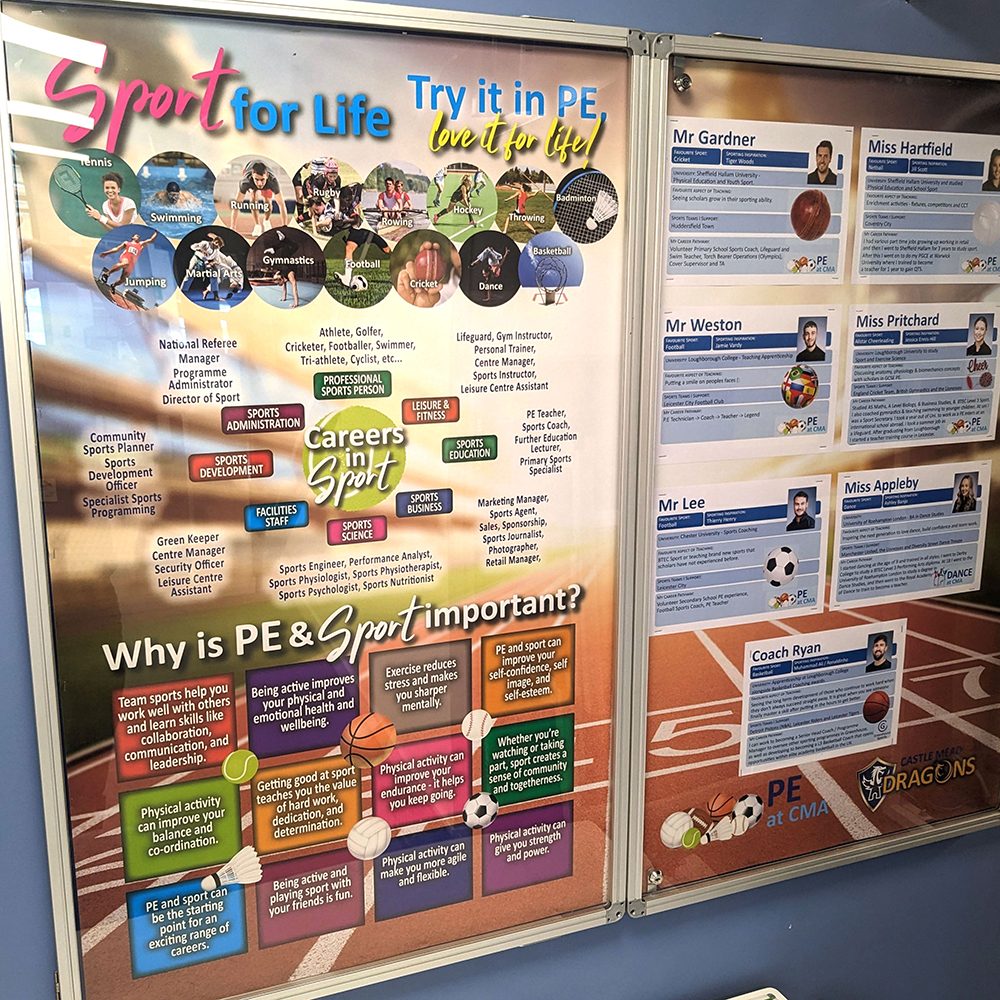
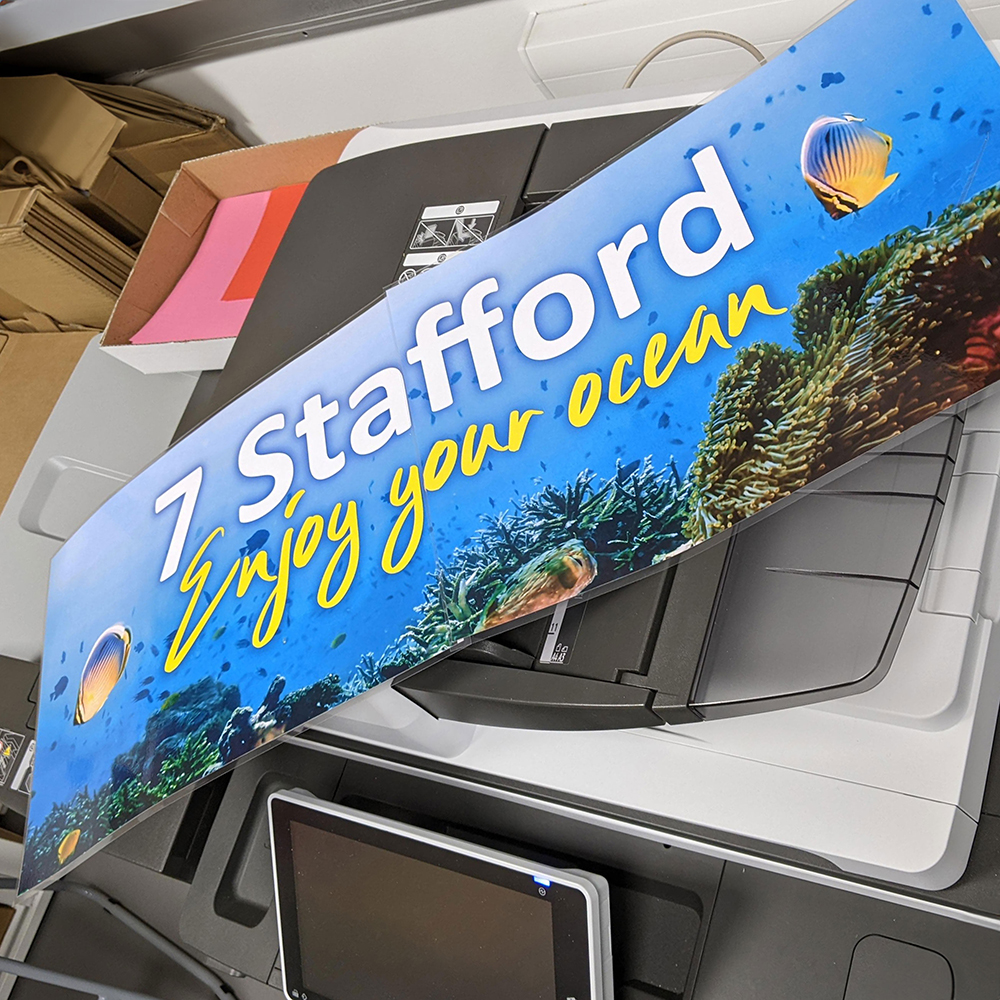
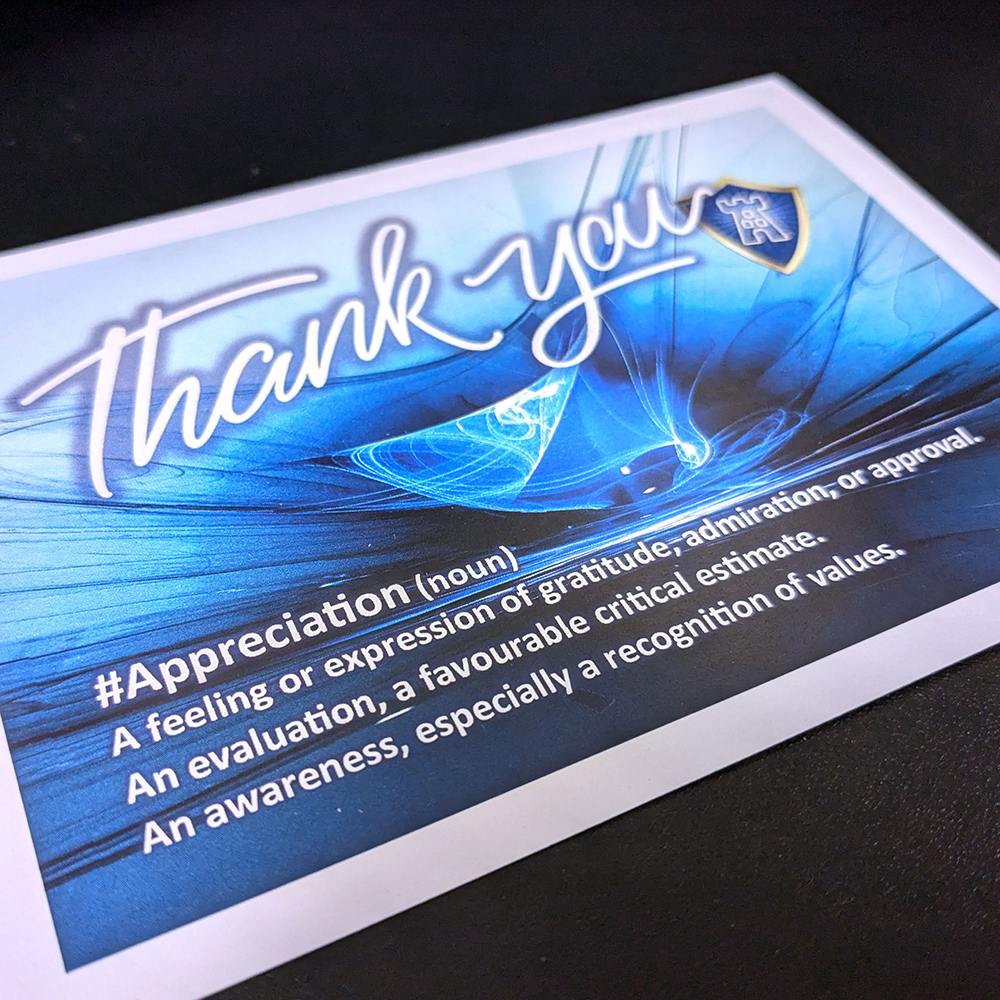
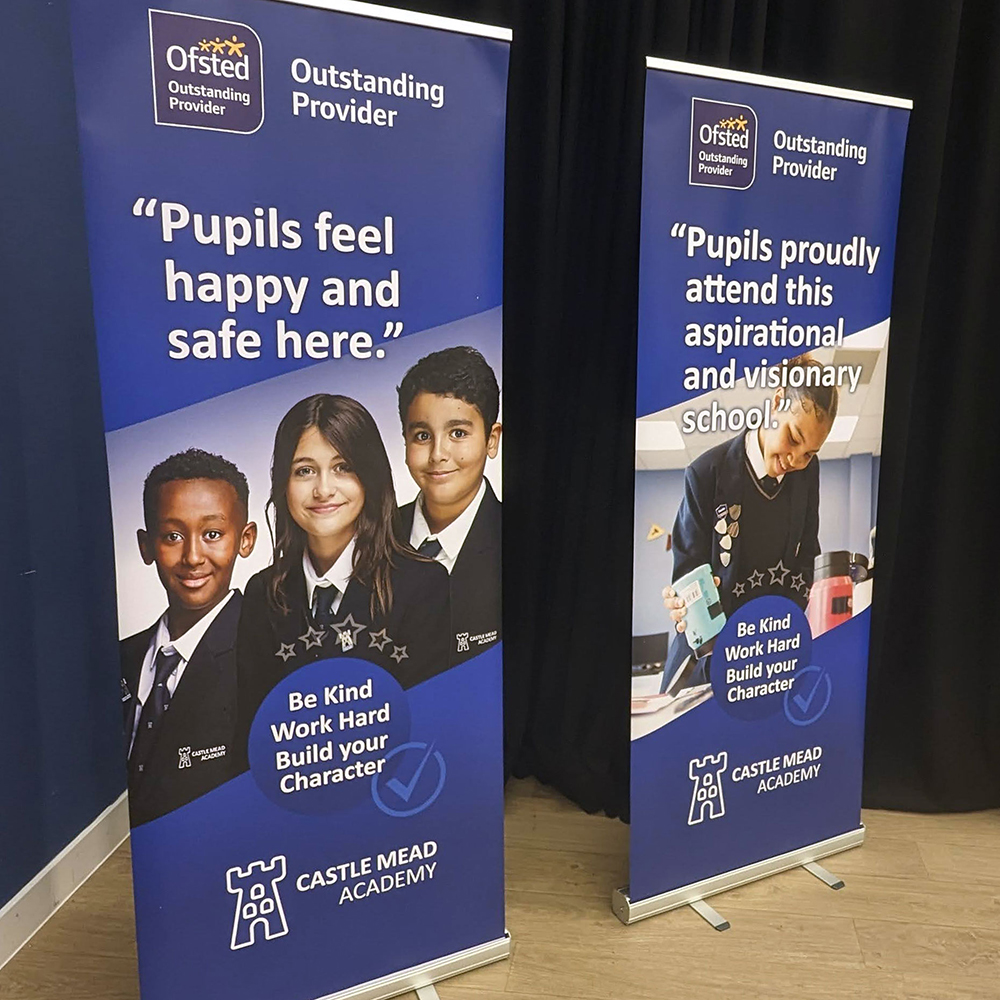
We’ve recently updated these with graphics that reflect our current discussions about ‘building belonging’ in our school community.
We want to remind our scholars that “Everyone Belongs”. Echoing ideas such as the below…
“We see you… Everyone Belongs… You are Safe, Secure and can be Proud. Attitude is everything. You are valued, cared for, appreciated… You are respected. You need to ‘play your part’… You make a difference… Be Thankful”
We’re also reinforcing some of the values we expect our scholars to embrace; responsibility, confidence, organisation, manners, etc
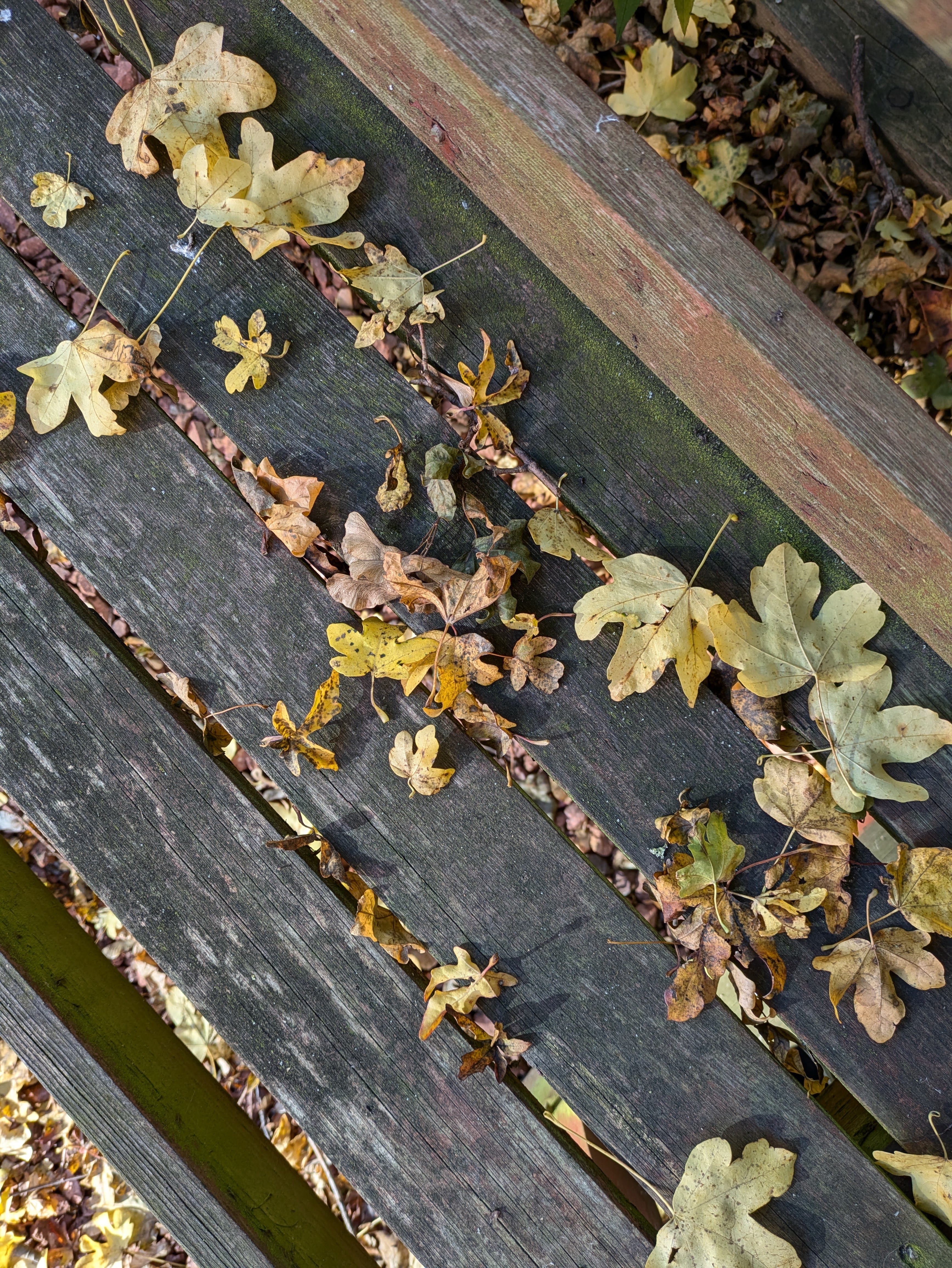
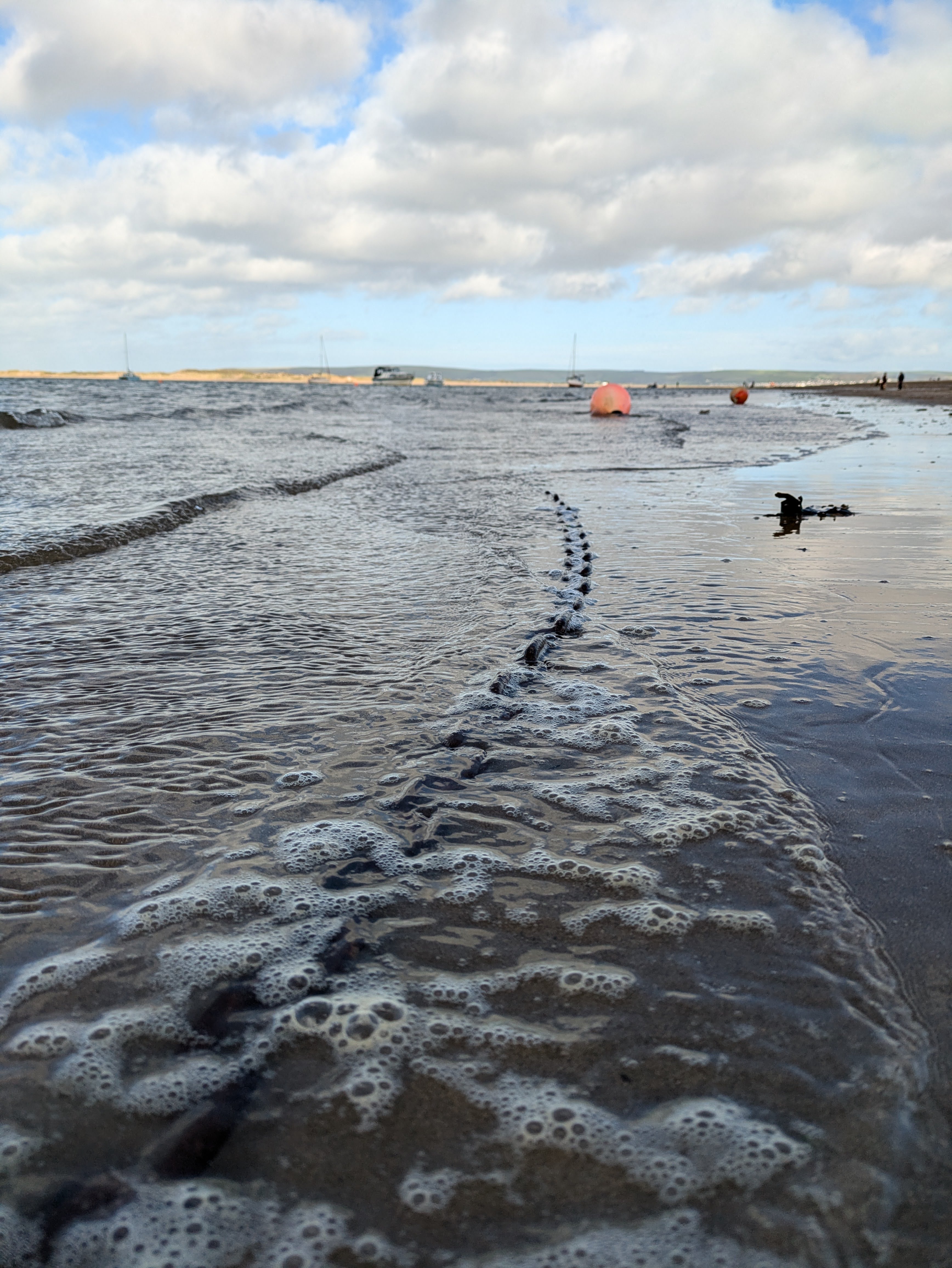
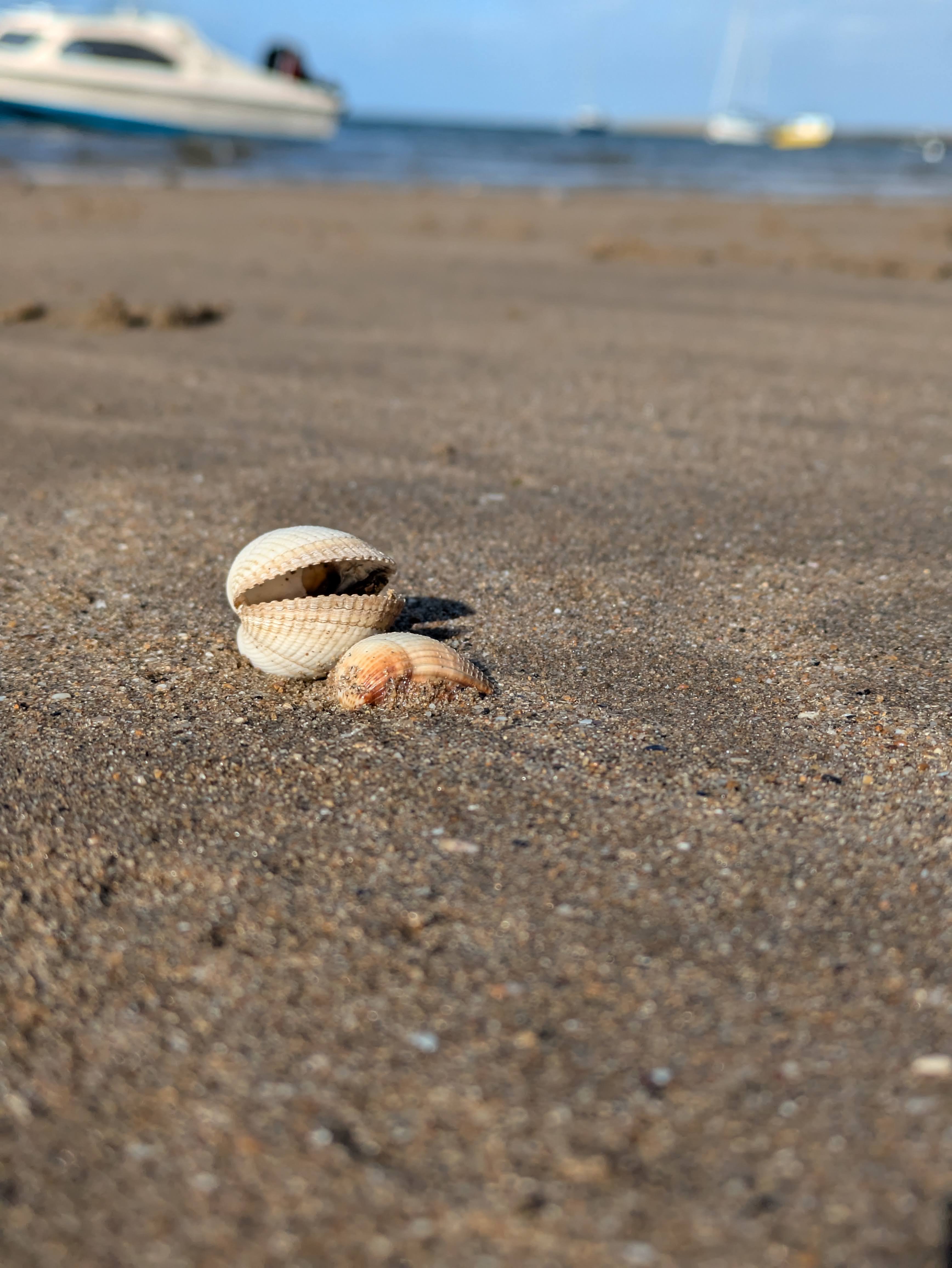
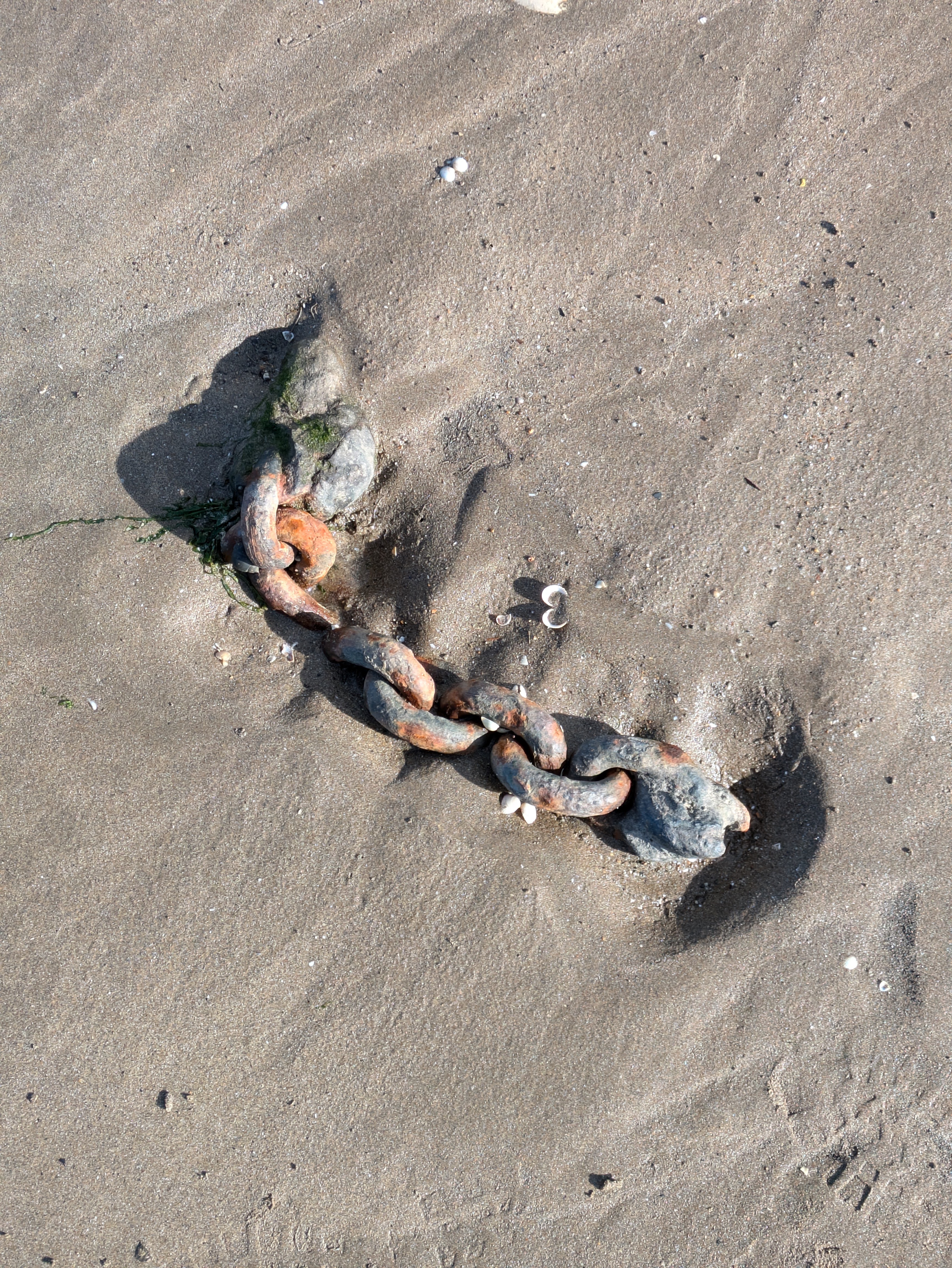
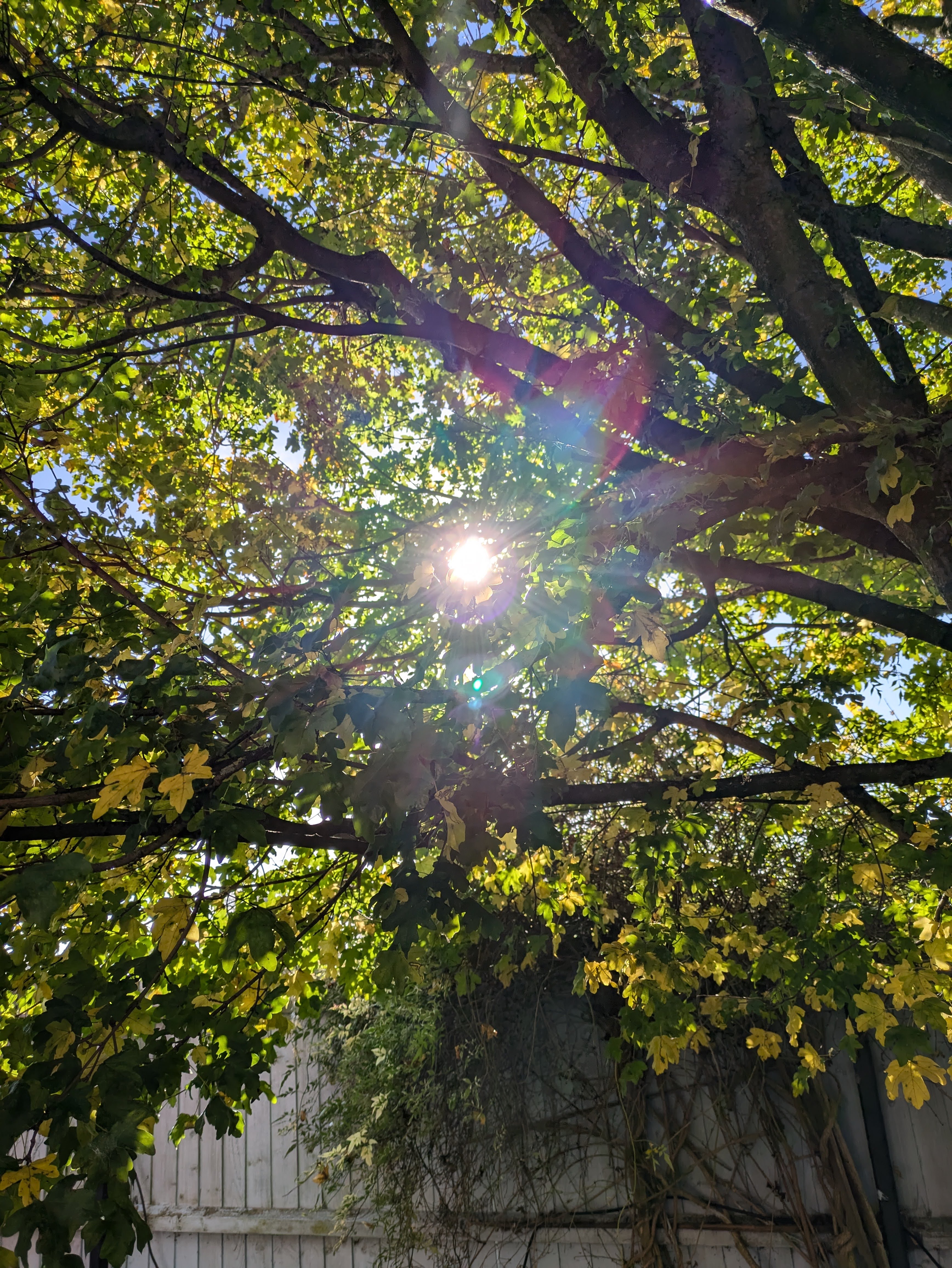
Below is a random selection of textures from our autumn break. From the North Devon coast and from an East Midlands garden.
You can’t bottle it, it’s just there. It’s free.
(Five images taken in the same week from each universe below, slide to compare)
The East Midlands: The church bells chimed three times, mid-afternoon. It’s October, but the sun’s still warm enough to sit out with a coffee. Buzzards can be heard calling, they are circling high, crows are… crowing. A light aircraft splutters through the blue, and… away. Silence… except; (the tinnitus) the birds, the distant hum of traffic, the buzzards, a bee… relatively quiet… I take the deepest breath. It’s Autumn.
The North Devon Coast: Two hundred miles west the tide has turned. Two juvenile gulls shadowing their mother on the rocks. You can see the tide on the move filling the estuary, and the sandbanks get washed daily by the sea. The tide’s relentless duty is remarkable. The relative calm seeps into your pores and the tide soothes… a cup of tea on the harbour side. It’s Autumn.
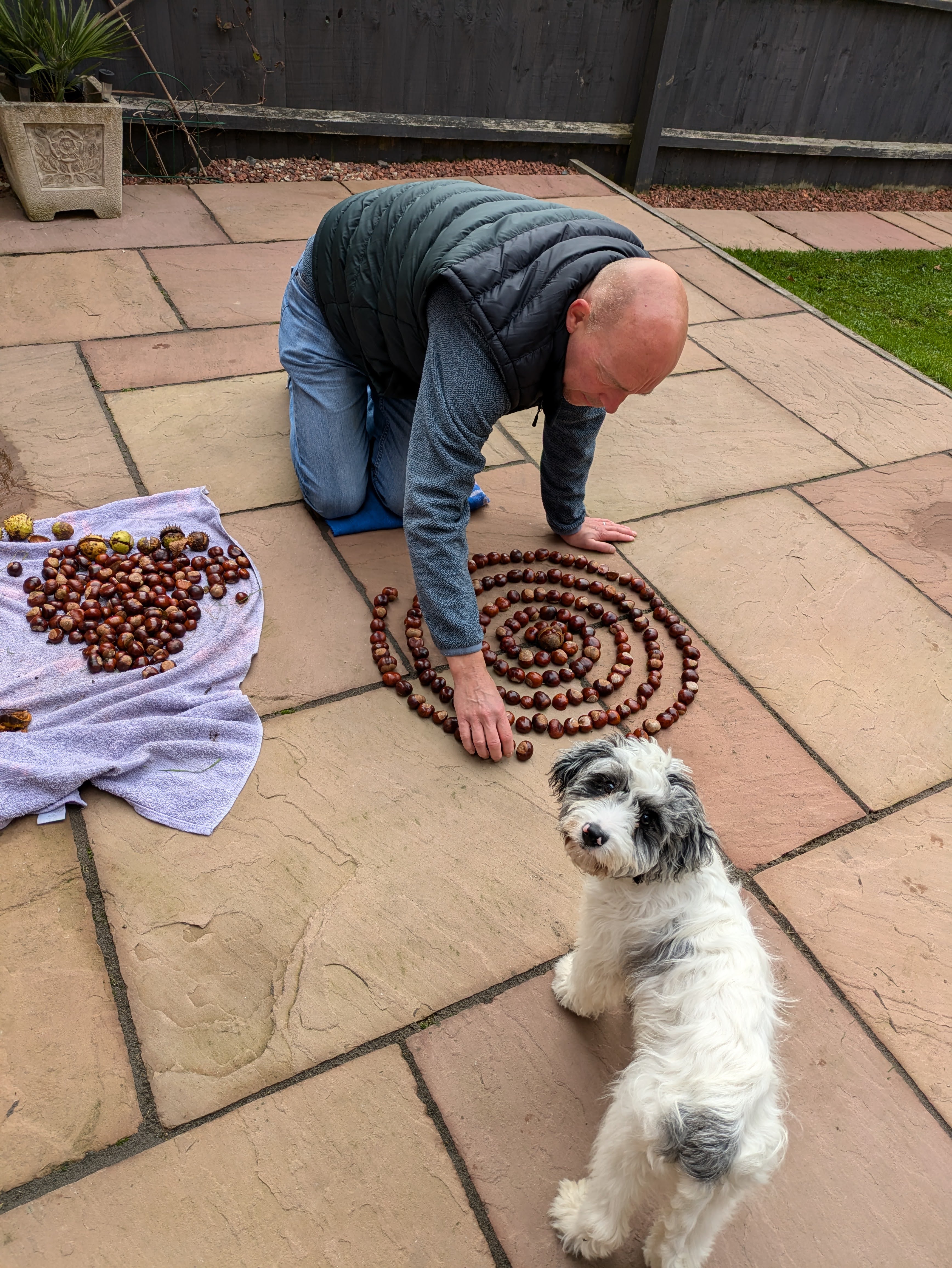
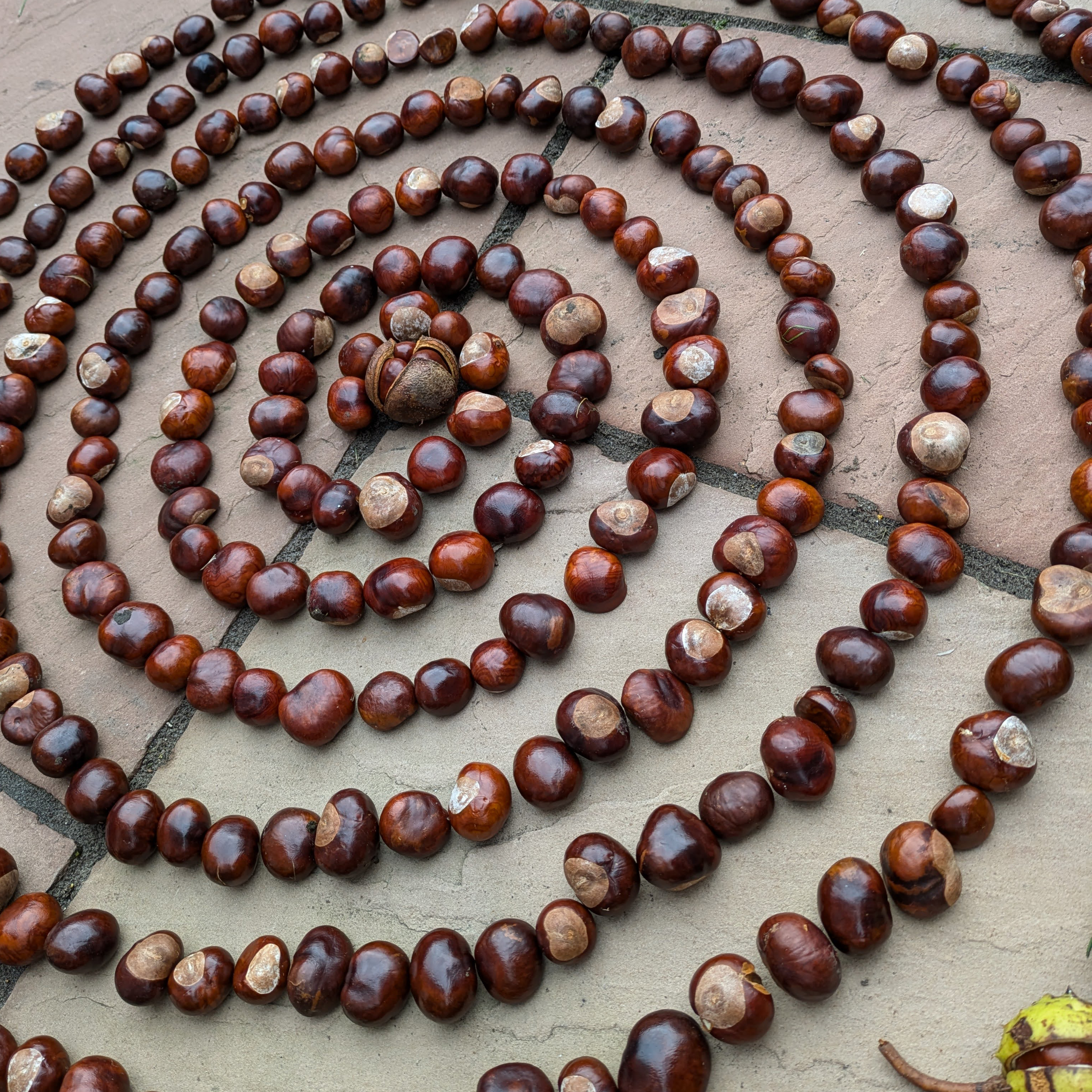
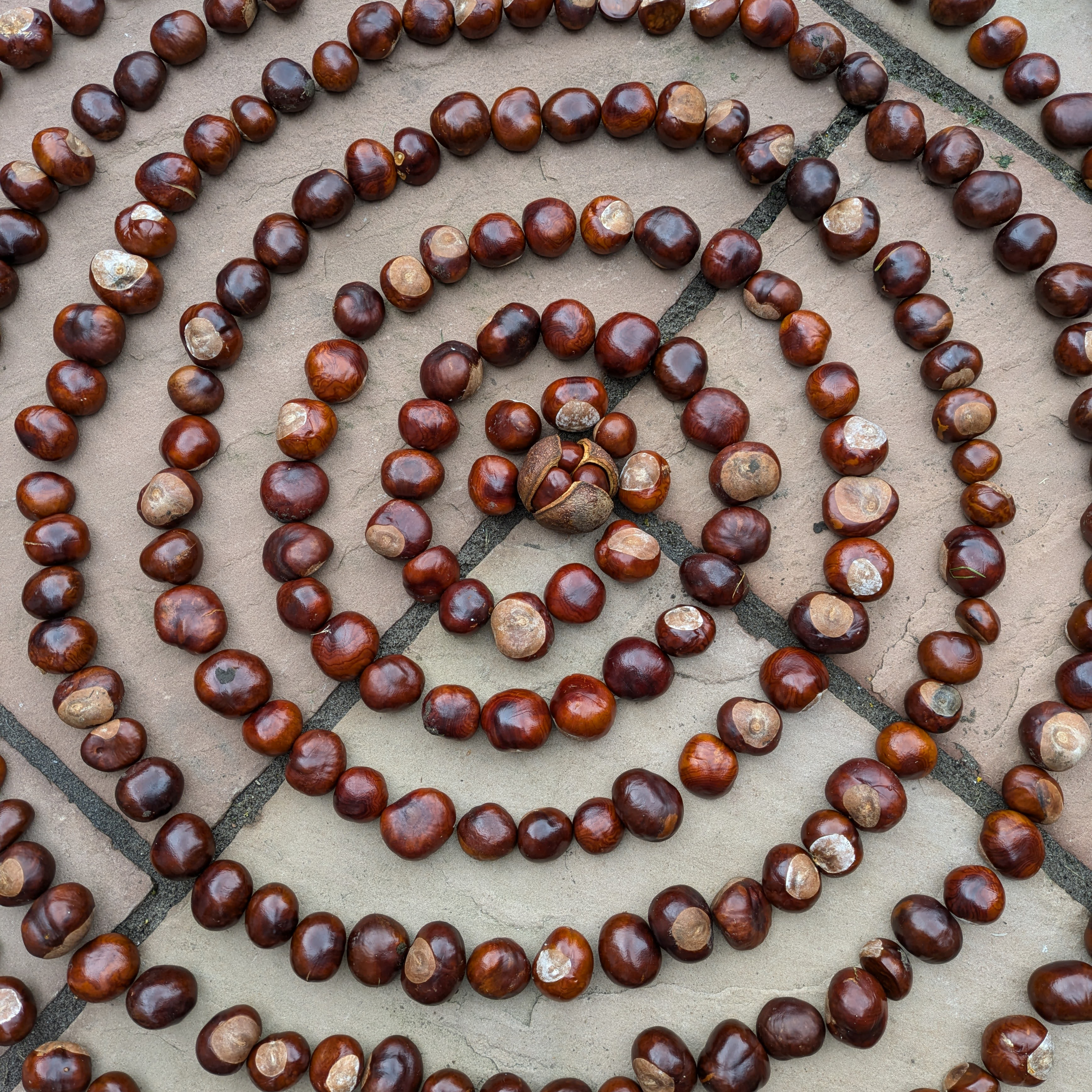
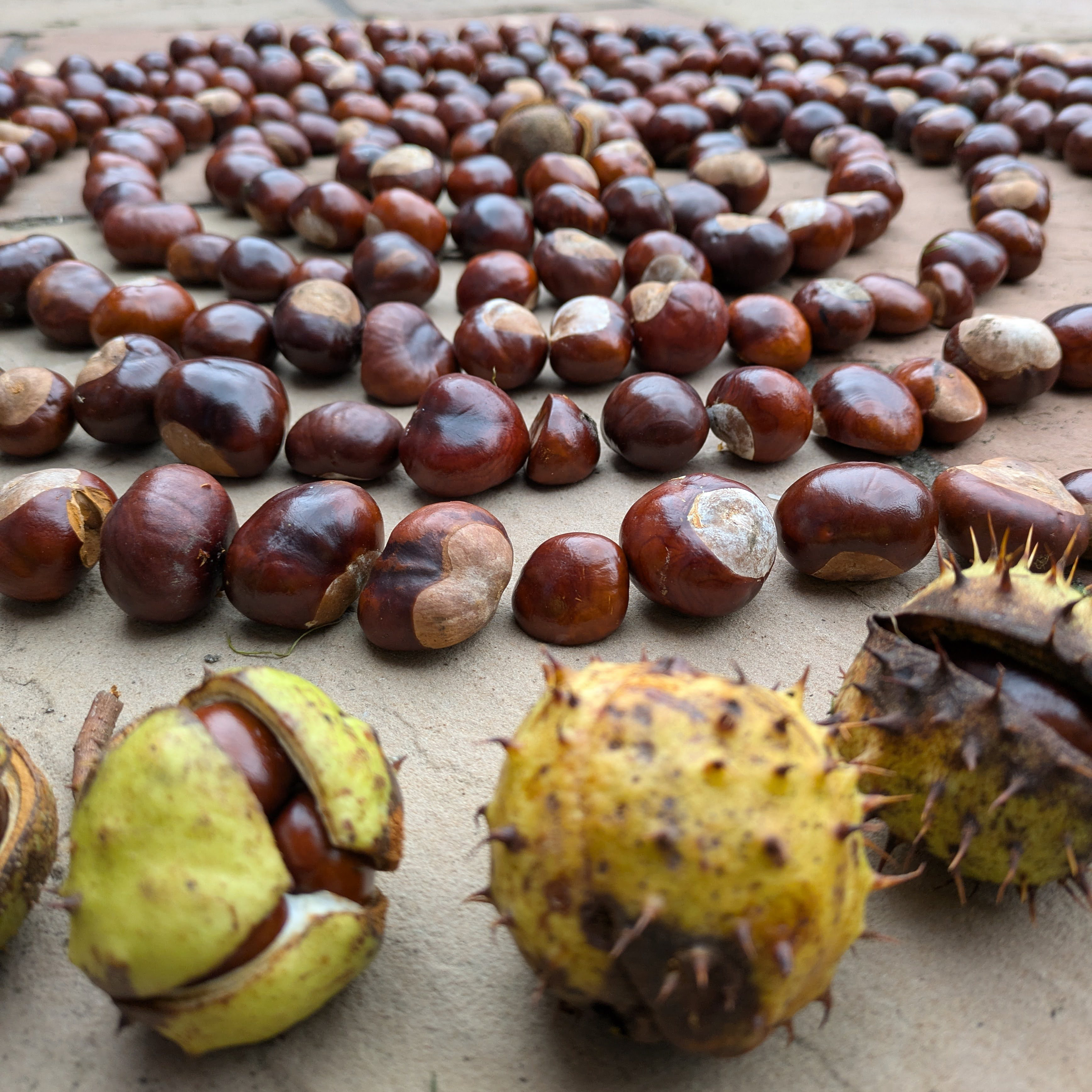
I did a thing. “Why?” I asked my daughter. “I dunno, ‘cos you’re weird” she suggested.
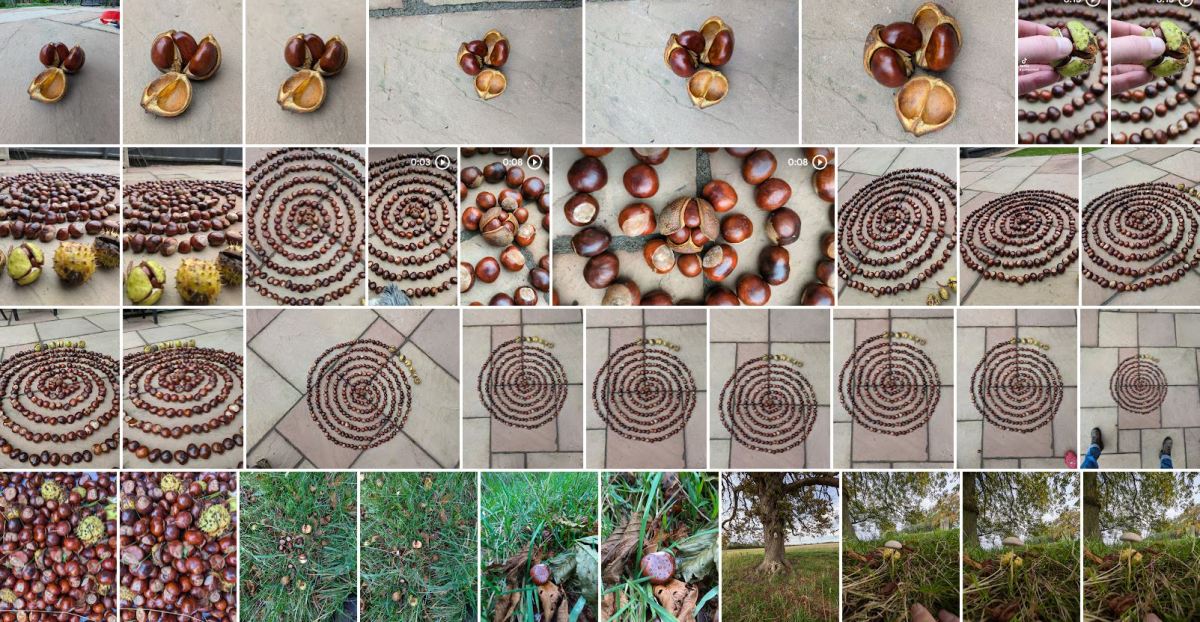
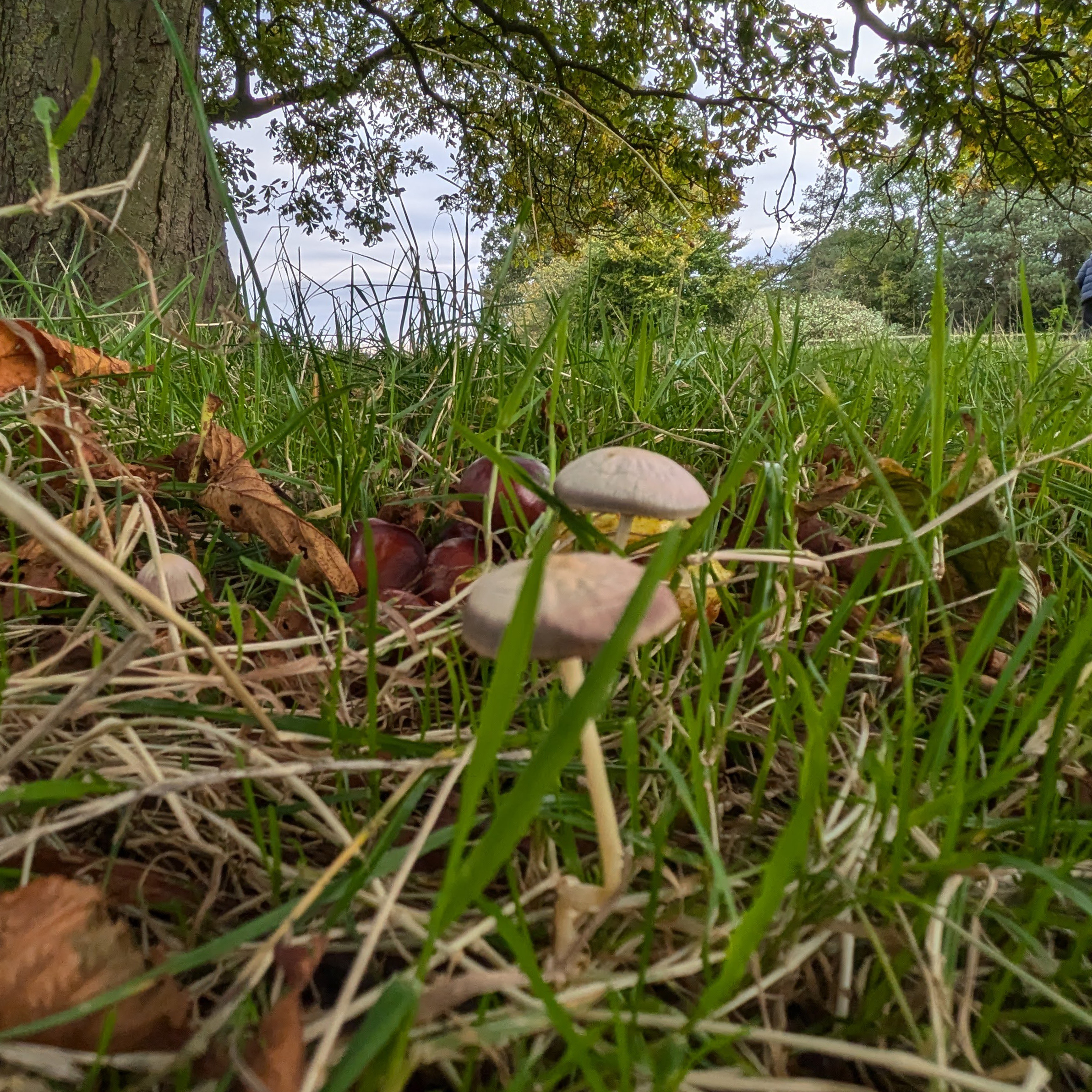
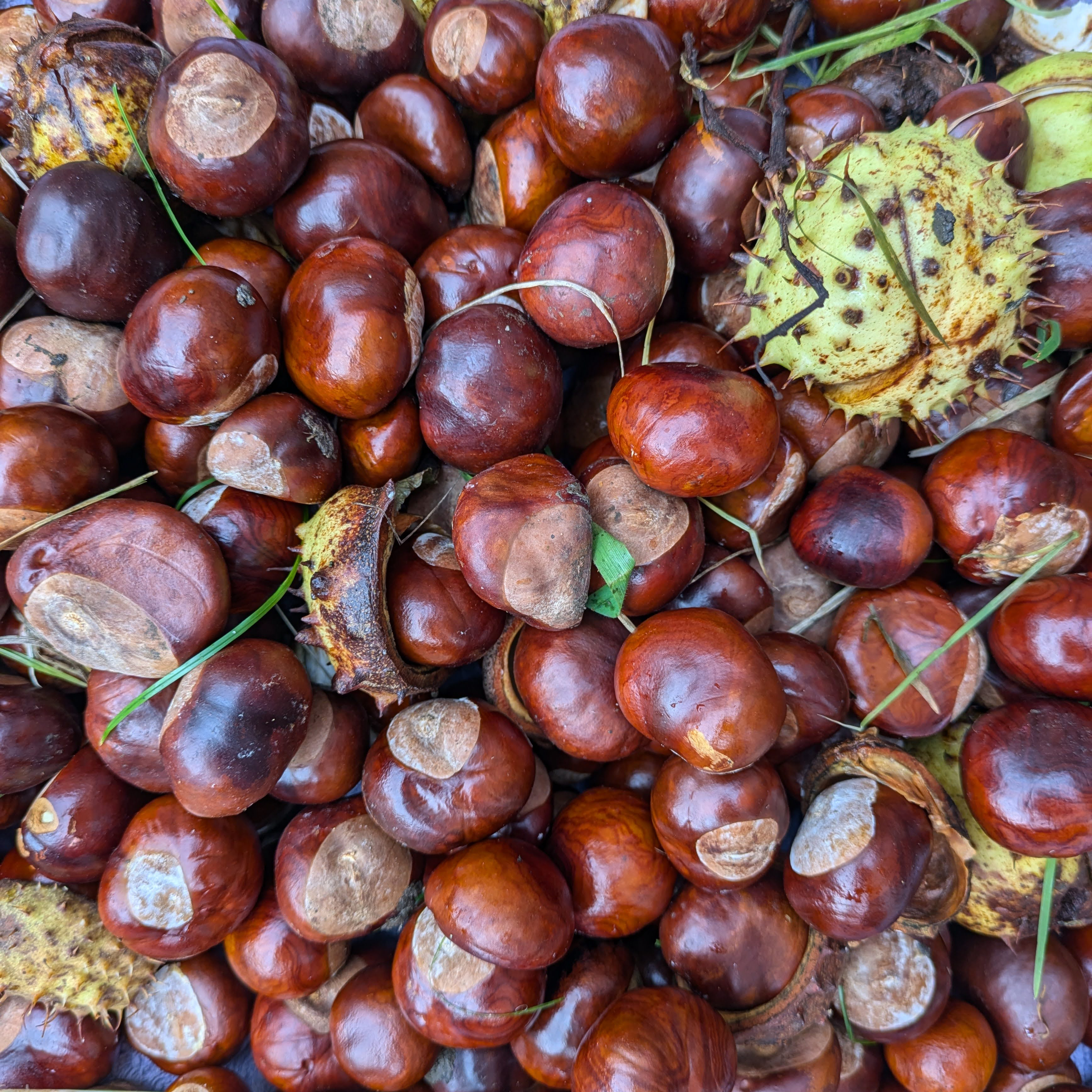
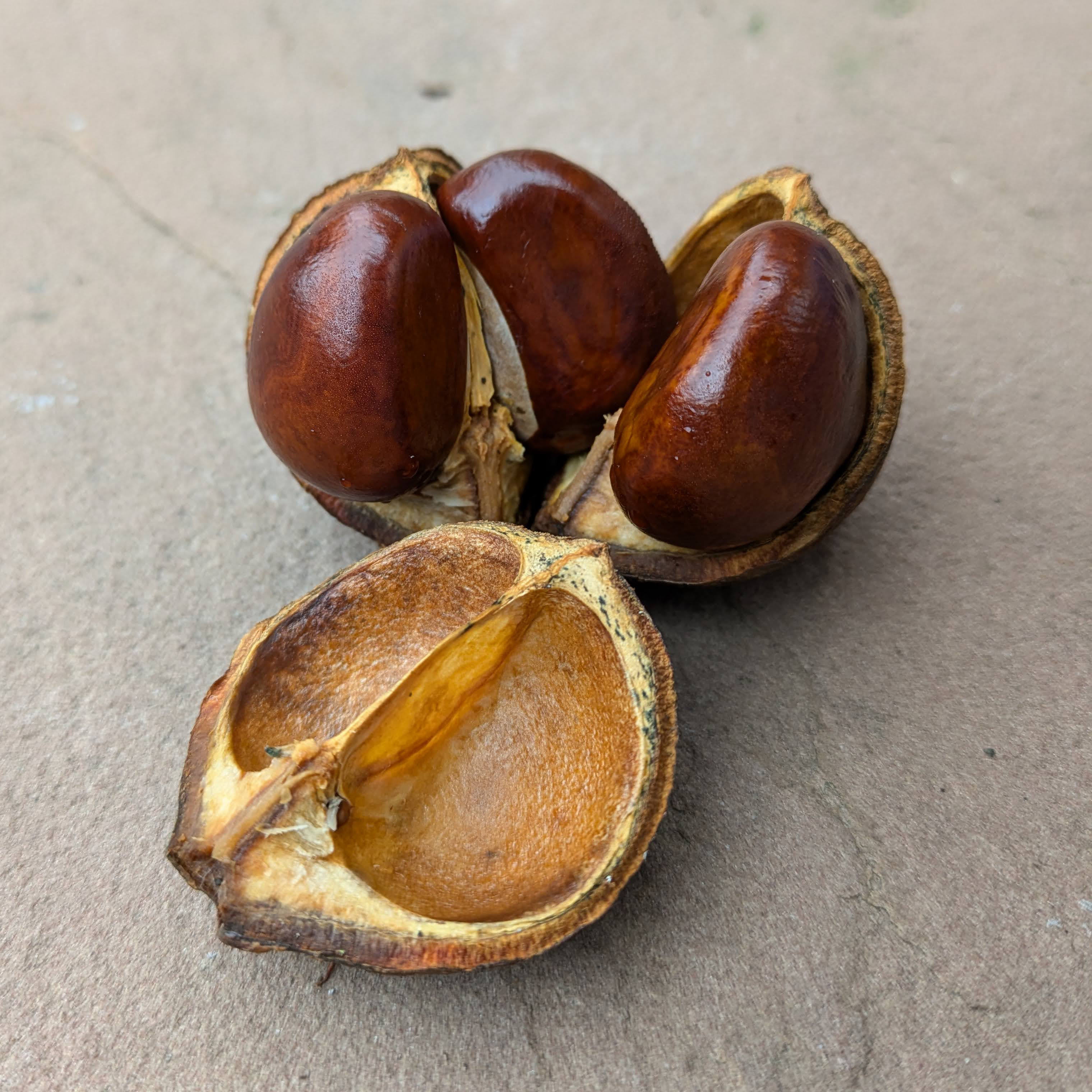
Every autumn I incline to seek out conkers. When the kids were young, I had an excuse. But today the excuse was so the youngest teen could practice her driving, she could drive us to our favourite conker site. They walked the dog, I collected the bounty (for the local primary school to ‘play with’ was my adult reasoning).
The process of ‘play’ is an integral part of the creative process… that’s what I like doing, being creative. It’s rarely useful, but to create something is an urge that we all enjoy…
I’ve wittered before about it here… putting ‘stuff’ together in a new or another way, to resonate a novel or appropriate difference… …to illuminate the familiar, to resurrect the lost, to prize grace out of joy, to make firm that thing that is in flux, to capture, weave or play with, to engage, disturb, entertain, please, refresh, challenge…
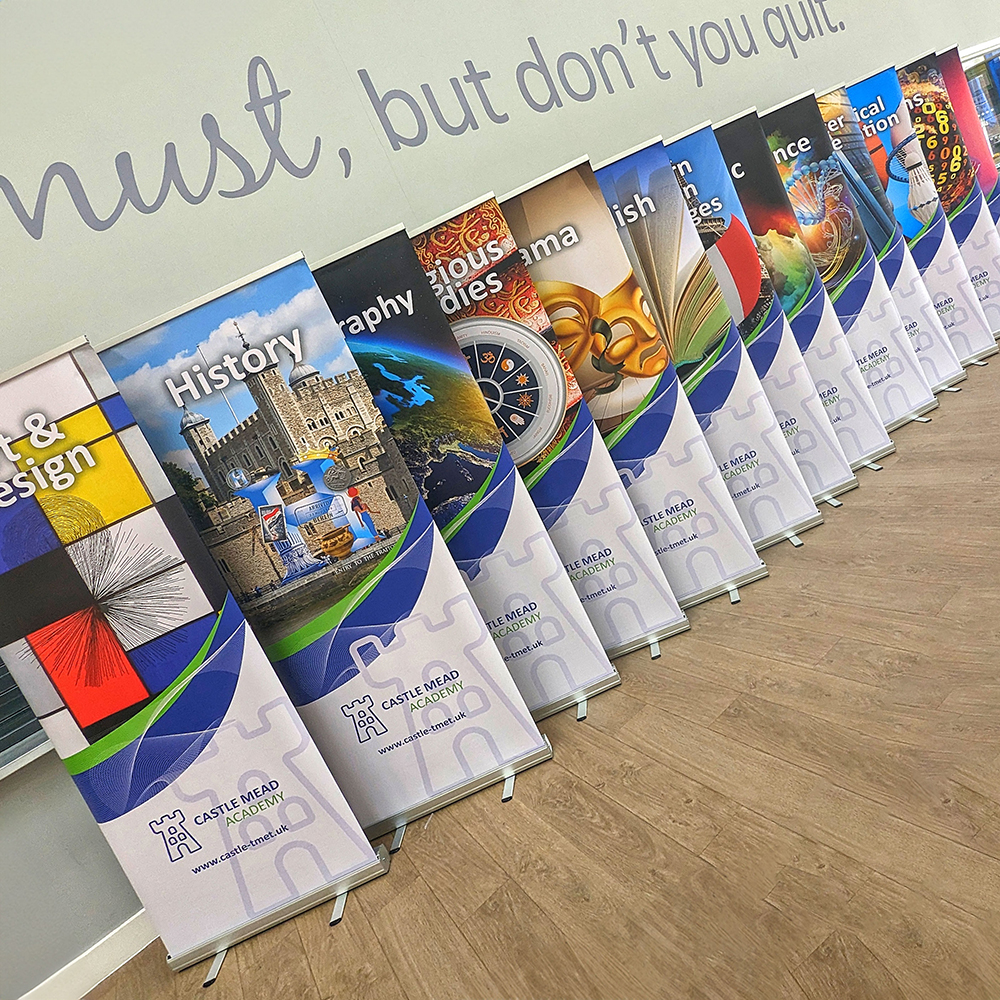
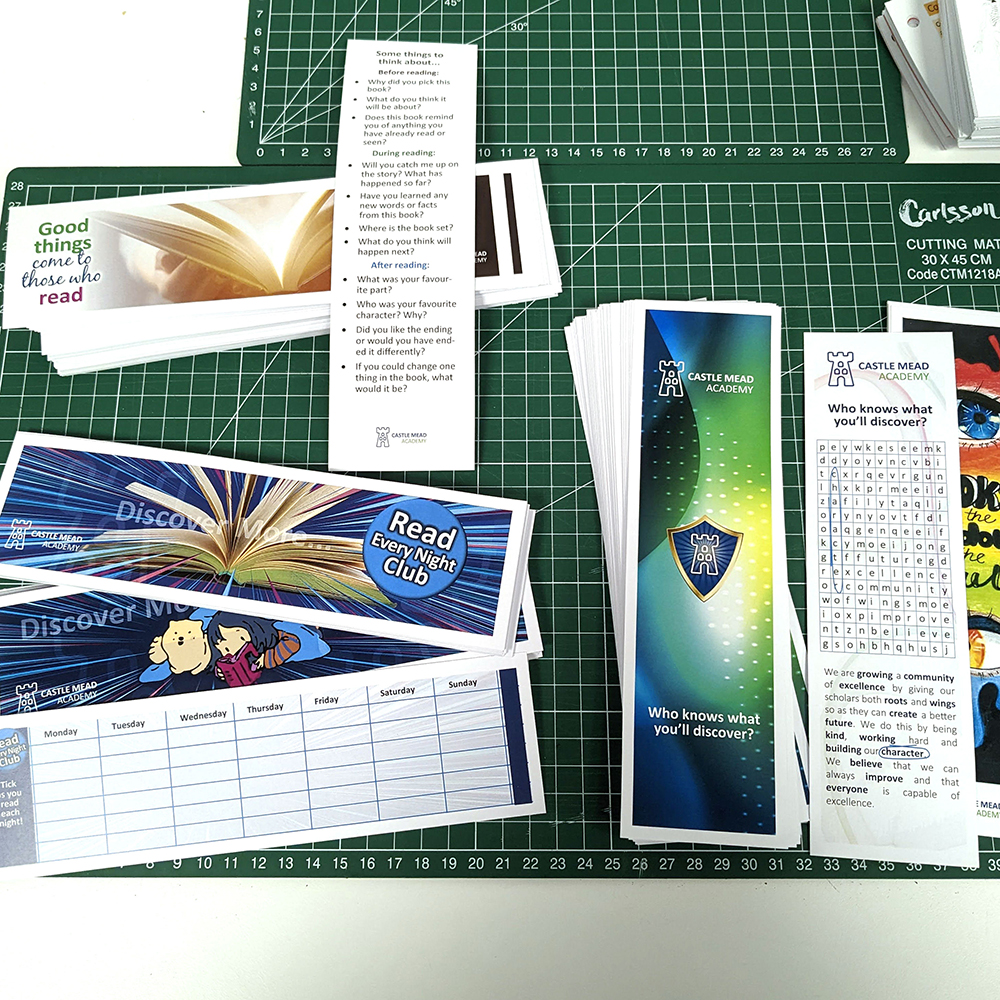
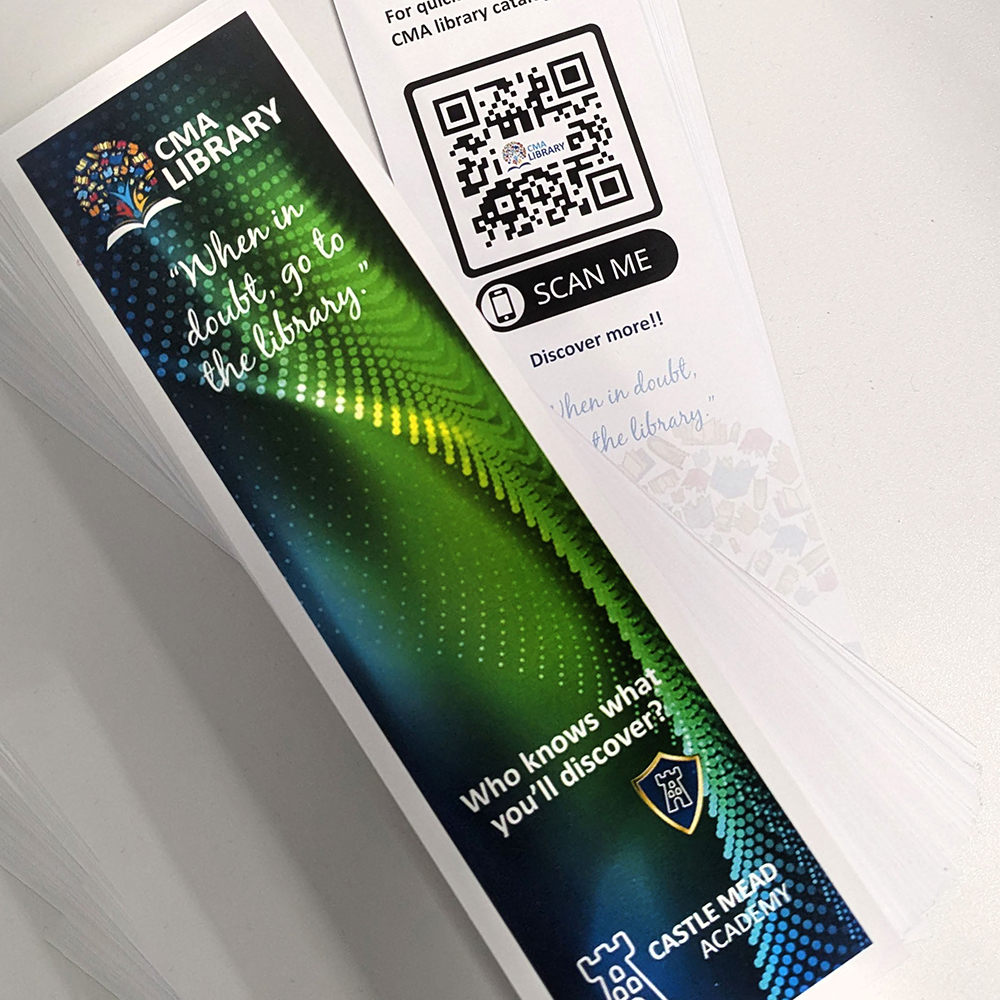
I’ve said it before; Repro; copying and reproduction of documents and printed material. Graphics; creating imagery and visual material to communicate significance.
From postcards to large format posters, cake-toppers to wall-wraps. I have more than 30 years experience of working in print ‘here’.
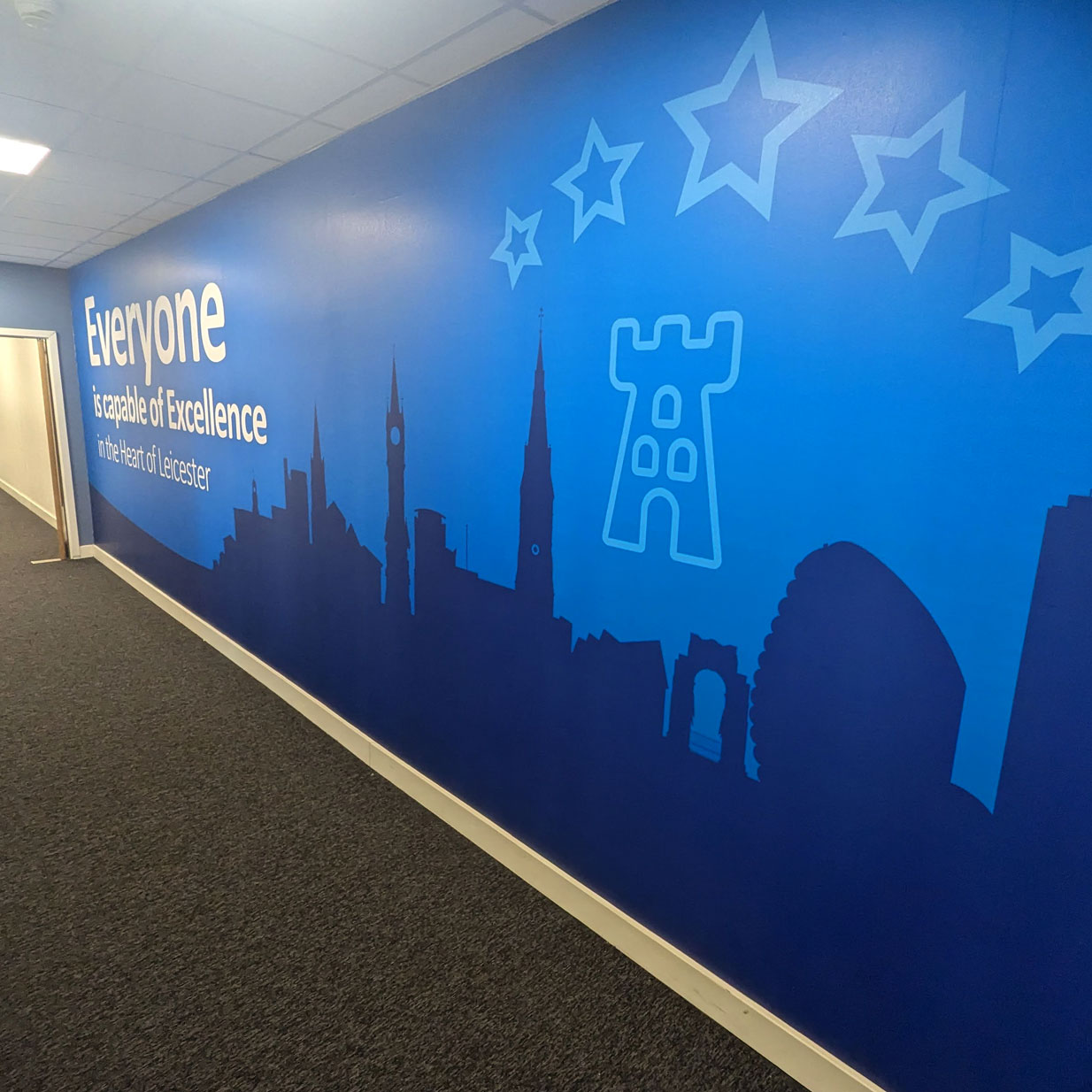
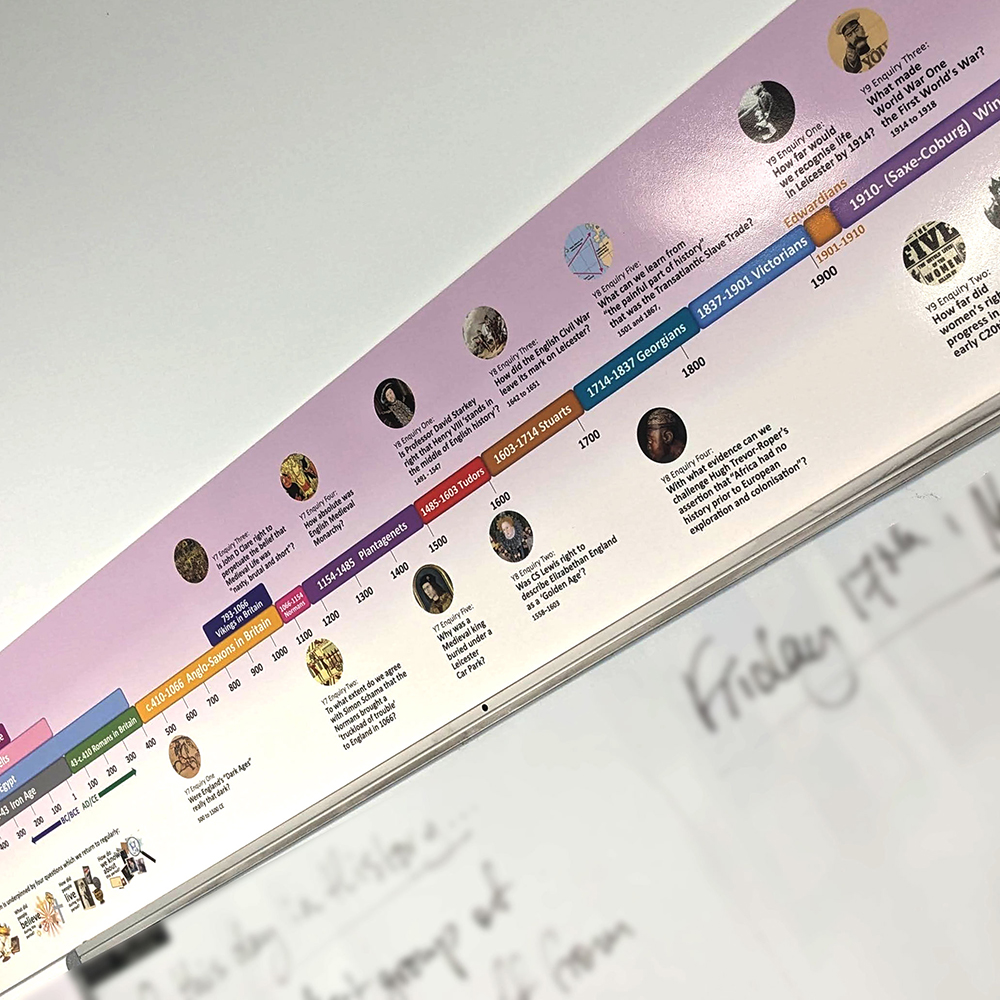
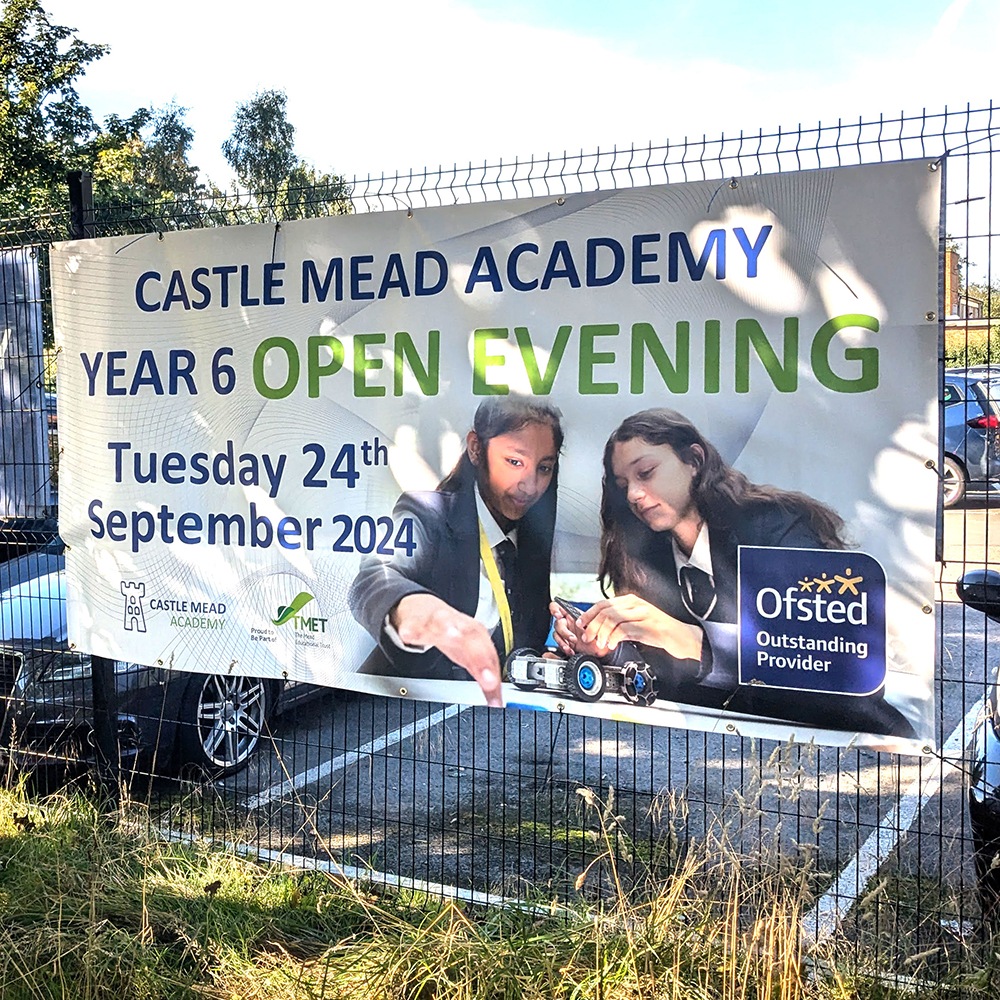
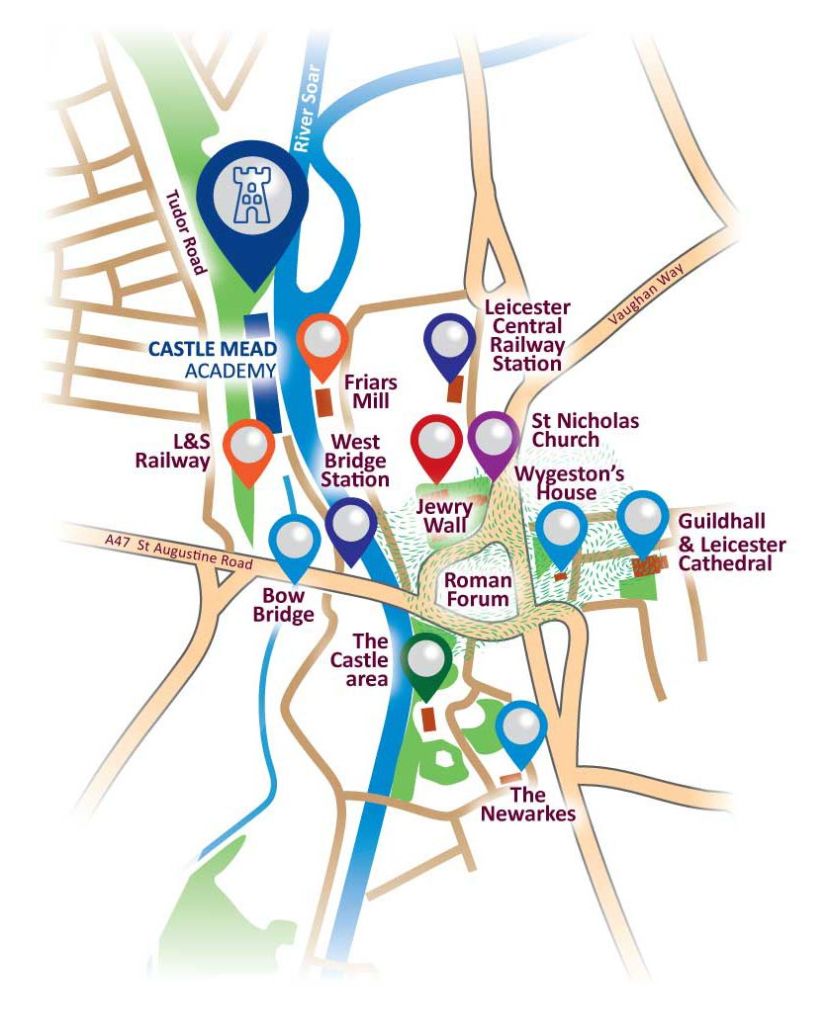
As part of the graphic design I provide supporting teaching and learning at Leicester’s Castle Mead Academy, I was asked if I might create a graphic that visualises “Two Thousand Years of History within ten minutes walk of Castle Mead Academy”.
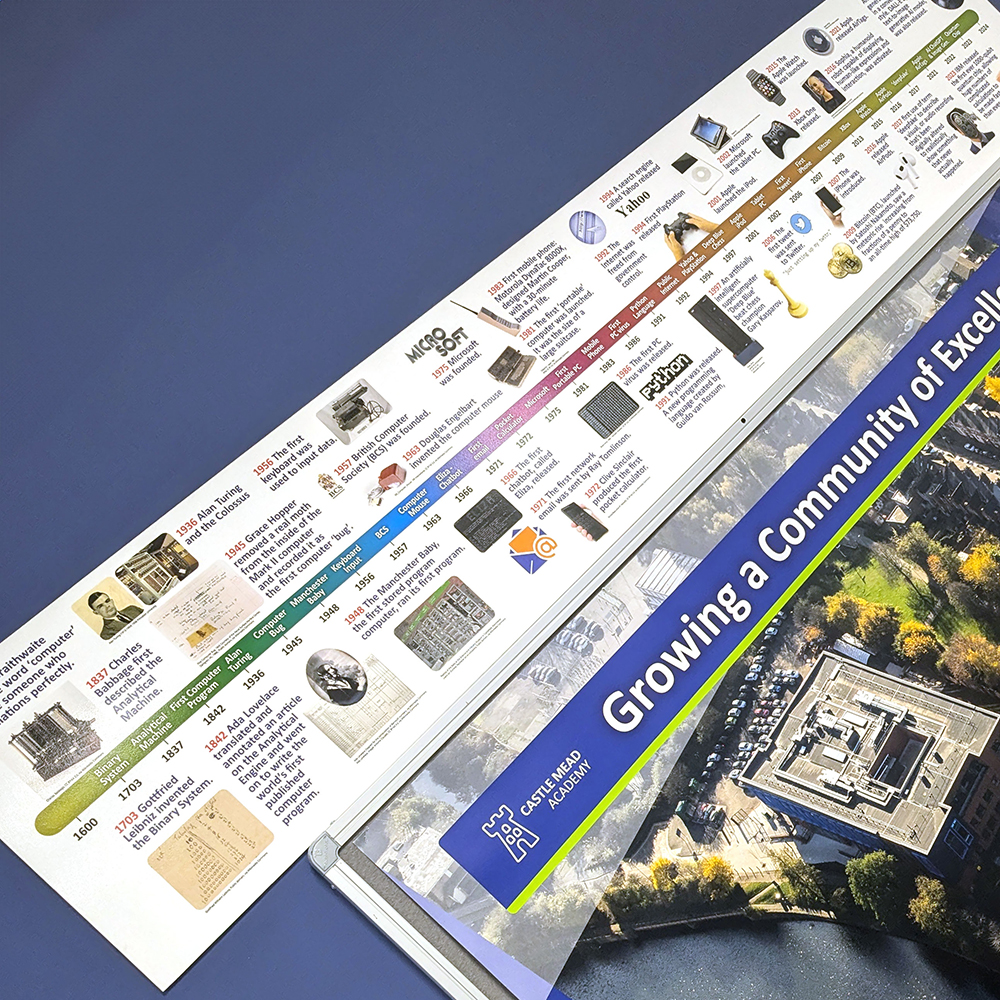
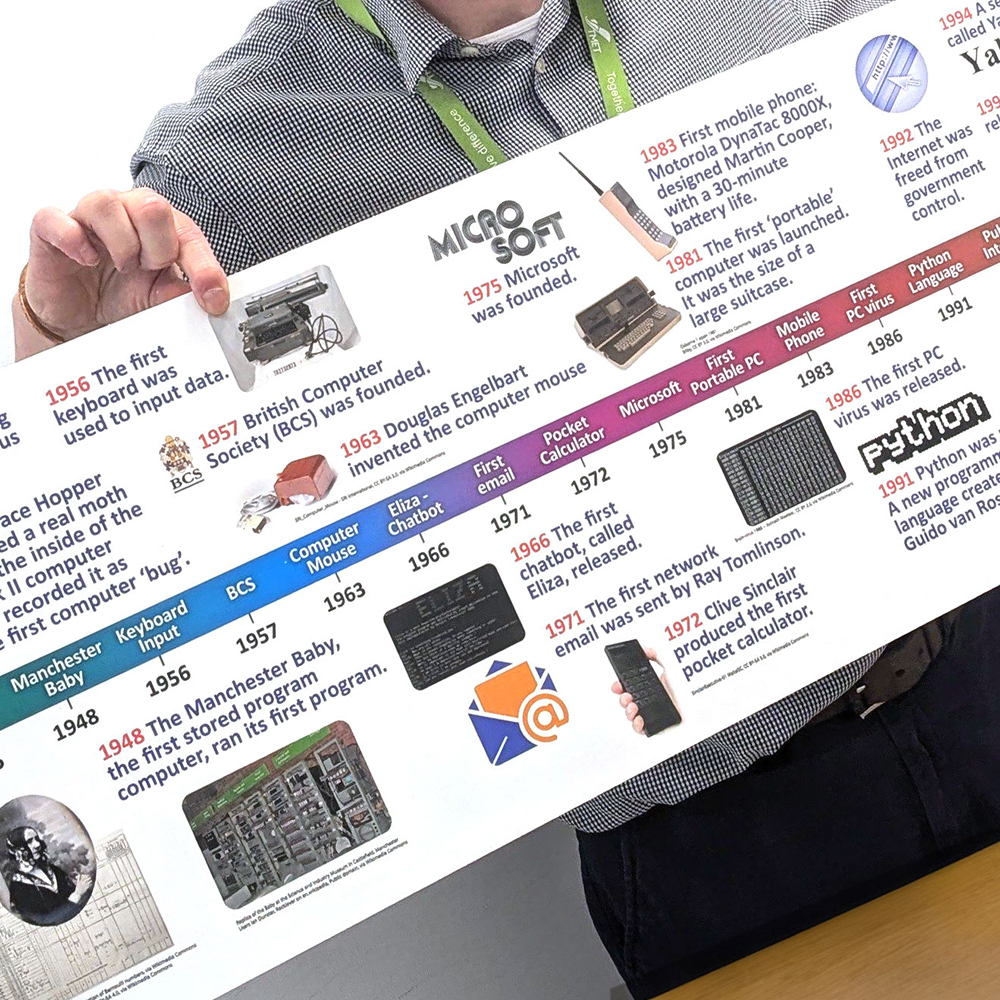
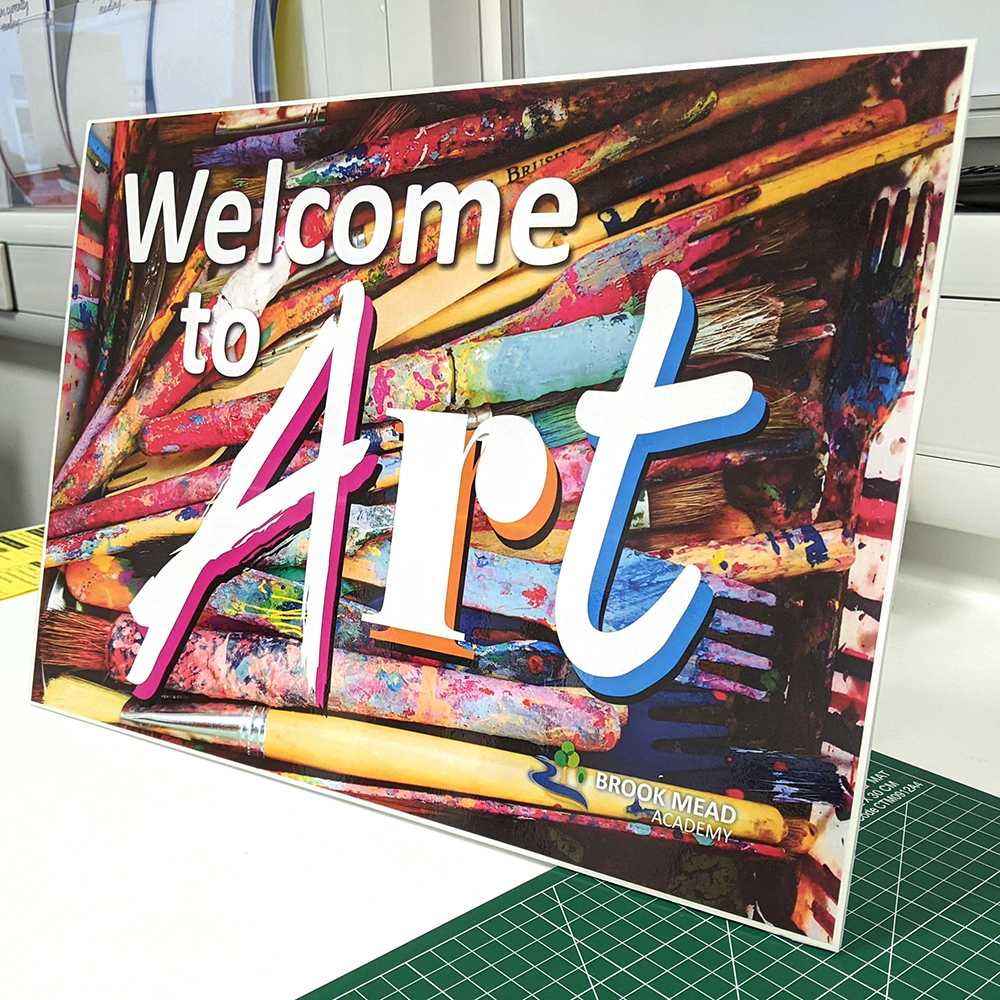
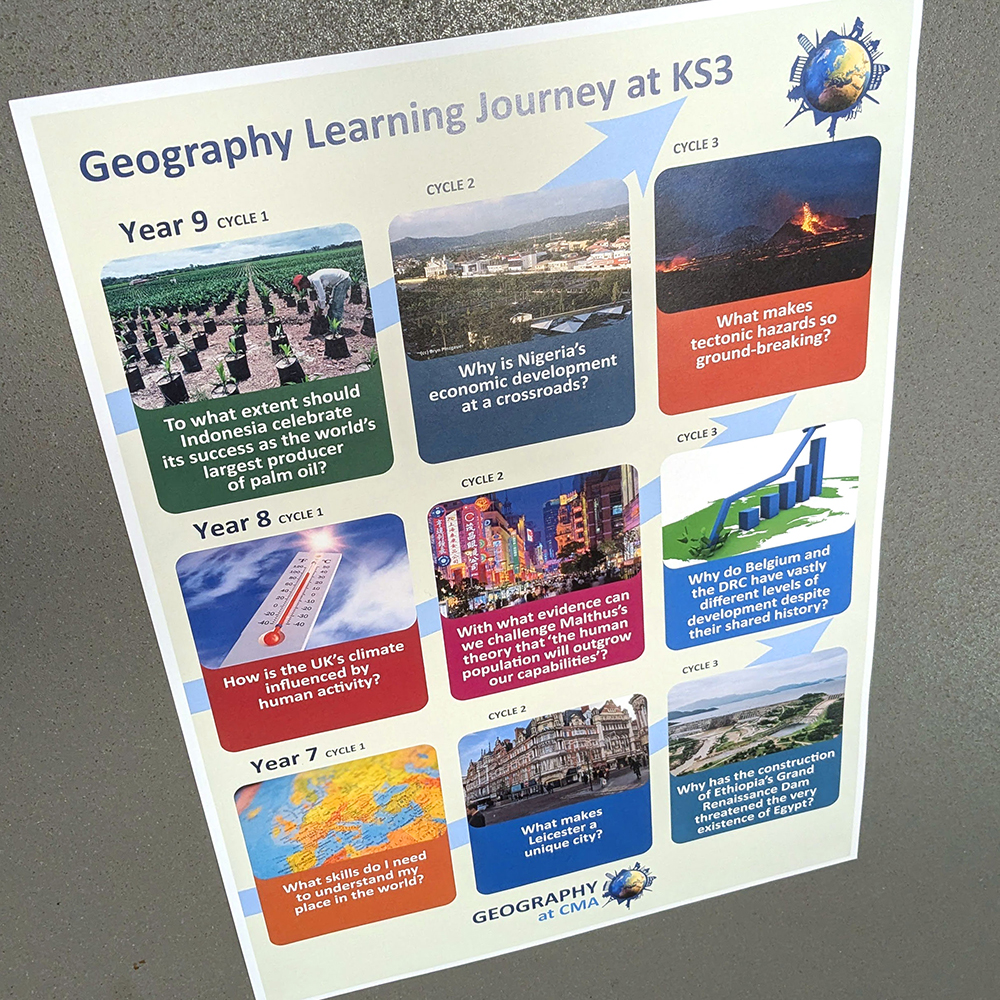
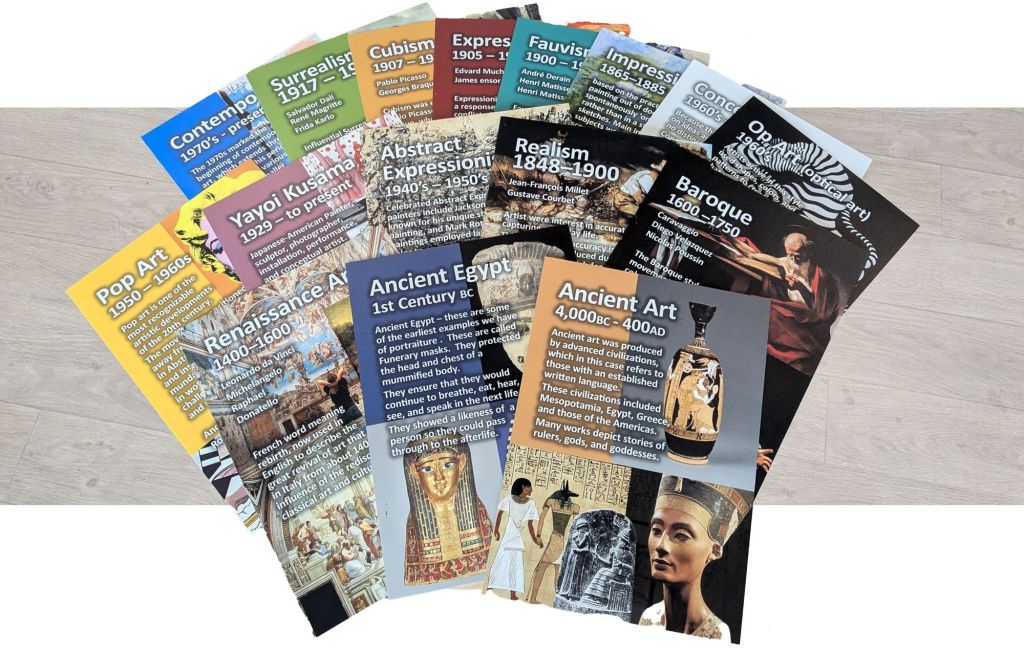
I’ve recently completed educational graphic timelines for History, Computer Science and Art.
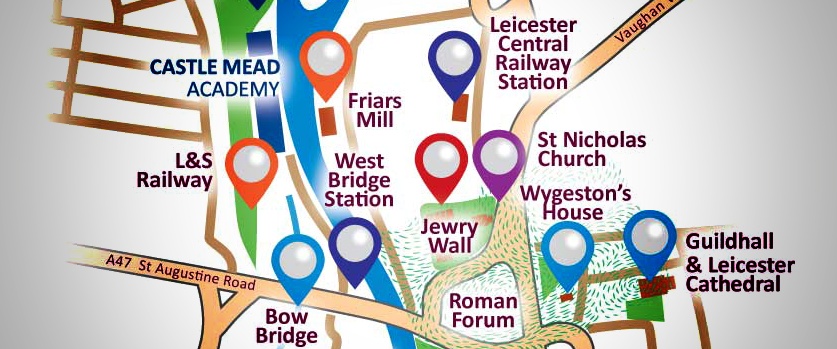
Castle Mead Academy is situated in the heart of Leicester, as you can see history is on its doorstep; from the Jewry Wall Roman remains through to remains of the 19th Century Leicester’s Central Railway Station.
Two Thousand Years of History within ten minutes walk of Castle Mead Academy
Thanks to Colin for the concept idea and the content.
Leicester City Council has compiled a wealth of images and information in their Story of Leicester project here: story-of-leicester Their Heritage Panel Trail brings Leicester’s 2,000 years of history to life with now 350 colourful information panels now installed on the city’s streets, more info here: heritage-panel-trail
Two Thousand Years of History within ten minutes walk of Castle Mead Academy.
Two Thousand Years of History within ten minutes walk of Castle Mead Academy
Before the Romans before 47AD Leicester was the primary dwelling of the Corieltauvi tribe who lived around the River Soar in the area that is today beneath St Nicholas Circle, Jubilee Square and Bath Lane. The Romans 47 – 500 AD Although we can’t see it, the Roman forum was under St Nicholas Circle. What we can see at the Jewry Wall is the remains of the main bath house in Roman Leicester. After the Romans 500 – 1066 AD St Nicholas Church was consecrated in 879and contains Roman tiles in its tower. The Normans 1066 – 1154 AD The castle motte was built in 1068 and is the huge mound that the Normans built to support a wooden castle soon after they invaded in 1066.The Castle Area contains the Norman motte, the Great Hall/Leicester Castle 1150, St Mary de Castro Church 1107,and the Turret Gateway 1423. Medieval Leicester 1066 – 1714 AD Bow Bridge, the original bridge, shaped a bit like a bow, was built c.1350. The Newarkes contains Trinity Hospital founded in 1330,The Newarke Houses Museum c1511 and 1583, the Magazine c.1400. Wygeston’s House comprises a timber hall of around 1490; a brick block of 1796 which replaced an earlier timber shop and chamber;and a Victorian (1800s) wing standing on the site of the medieval kitchen.Leicester Cathedral which dates from 1086, and the Guildhall which was built in 1390. Georgian Leicester 1714- 1837 AD Castle Mead and the Rally Park are built on the site of the Leicester and Swannington Railway (L&SR). This was one of England’s first railways, built to bring coal from West Leicestershire collieries to Leicester, where there was great industrial demand for coal. The line opened in 1832. The canal was completed in 1794 and Friars Mill, one of the earliest factories in Leicester, was built in the same year. Victorian Leicester 1837 – 1901 AD The site of West Bridge Station, was part of the Leicester-Swannington Railway. There was no platform at the original station and passengers had to climb aboard using steps and handrails attached to carriages. A narrow passenger platform was eventually created in 1876. By 1893 a new purpose-built station had been constructed next to Tudor Road. The streets to the west of Castle Mead around Tewkesbury Street were built through the 1880s to the 1900s. There is a KingRichard III theme to several of the street names, such as Tudor Road. Leicester Central Railway Station was built in 1899 and is now Lane7. The station was part of the Great Central Railway’s London Extension linking Nottingham with Marylebone in London.
There’s an ‘around the block’ video, made from a cycle helmet cam here:
I struggle with noise… be it cultural capitalist clatter or anxious apprehensive self-abuse…
It’s oh so quiet… Under the tree… in the shade, sheltered from the heat of the midday sun… We agreed “no-one can take this away from us.” I sat with my wife and daughters and just took in the moment. The cicadas sang in the nearby trees, the mountains bathed as though sleeping in the heat. Rugged escarpments carved the bluest blue sky. The brightest flowers decorated the greenest foliage in a small valley that played in to the a small Turkish Mediterranean bay.
It’s hard to explain. It’s taken a week of tempering to reach a state of heat induced contentment. It’s hard to explain, but it’s possible to forget, ignore, or perhaps swallow the worries and annoyances of the world and just be grateful for the moment. To breathe in the mountains, breathing in blue jasmine, breath in the olive tree, breath in the sweaty forehead, breath in the clutter of life that chatters around us…
We returned to the UK… Oh… it’s oh so quiet… No cicadas, tinnitus returns. The sizzle is replaced with an English tranquility. A verdant pleasant land. The ubiquitous cloud decorates the horizon. The land and humanity is reorganised… It’s still possible to forget, ignore or perhaps swallow the worries and annoyances of the world and just be grateful for the moment.
To breathe in the ancient pathway, breathe in the hedgerow, breath in the flying swans, breath in that unique evening light, breath in the clutter of life that chatters loudly around us… It’s hard to explain, because it is oh so quiet, amongst the noise…
You know when you take a roast chicken out of the oven… ? That’s what it’s like walking out the door… 38° 🇹🇷… As with a roast chicken, I am thankful for a small dose of Mediterranean heat.
Tempering is a process of heating and cooling metals to achieve greater strength by decreasing the hardness, an increase in flexibility, and decreasing brittleness.
Eucalyptus avenue
Over the last week it’s been a process of heat, cool, and repeat… you could call it tempering. You can’t fight it, you just have to be. A tall iced mango juice helps. Again I am thankful.
Let’s pretend we’re closer to heaven.
Floating in a bay surrounded by pine tree lined mountains, the bluest of blue skies backdrop a razor-sharp escarpment reaching to the skies … salty lips and a big deep breath… the view seems clearer.
Blue jasmine
Breathe, forget the challenges ahead for just a moment…
Take away the percussive beat of stuff that needs sorting, questions unanswered, annoyances and indecisions…
What we perceive is what it is.
My wife is the catalyst, and again we venture to the Mediterranean. Thankfully. I’d return to France, Spain, or the British National Parks or coast again and again, but under my wife’s suggestion, over the years we’ve stretched further, Cyprus, Corfu, Greece, and this year Turkey. I am infinitely grateful for the opportunities to experience such places.
But what is sold to us is quite separate from what is free, the treasures right in front of us..
On previous visits to the Mediterranean weve found the extreme heat is ubiquitous. The climate intensifies colours, smells, taste; life gets slower, more fervent, the view seems clearer.
As with any capitalist environment, we are sold stuff, we are sold pretentious dreams, we are sold processed products; extra-cheesy Crax, all-seeing eyes, Anatolian fizz cocktails, parascending, fish pedicures, etc. A percussive beat of celebrated pop jazz hip cool, with salt and/or cheese…
Don’t get me wrong, a cold local beer by the sea is a heavenly delight. Mediterranean food by the sea is exceptional. And a little pop-funk Lady Gaga helps keeps one young.
What is essentially more tangible in such holiday destinations is stark nature and hothoused humanity.
People come to soak up the intensified energy. Culture is the dressing on the cake of humanity and is weird and wonderful, but behind the sunbaked sales the essence of what is free is humanity and nature.
Muğla market
Human nature is behind the Turkish kofta, as much as it’s behind the Staffordshire oatcake.
What’s magnified by the Mediterranean climate is human pleasure. Take away the magnifyer and we still have humanity. Alexander is a father to two young children and businessman who’s very proud of his restaurant in the village of Icmeler.
Omar, proud of his Muğla homeland, genuinely wanted to share it’s delights, but is also keen to discover England. Just as much, Joyce loves Stoke-on-Trent, her dog, and her weekend trips to Buxton and the Peak District hills.
The treasures right in front of us…
I don’t think we need to pretend we’re closer to heaven.
Take away the percussion of cultural trappings and what do we have?
What we perceive is what it is.
Sometimes it’s clearer, it is what it is.
Rest…
When it’s not clear, I hope you can find a way to decrease hardness, increase in flexibility, decrease brittleness and hopefully find delight in something somewhere right in front of us.
Let’s pretend we’re closer to heaven. Floating in a bay surrounded by pine-tree lined mountains, the bluest of blue skies backdrops a razor-sharp escarpment reaching to the skies … salty lips and a big deep breath… the view seems clearer. Breathe, forget the challenges ahead for just a moment… distant cicadas… Take away the percussive beat of stuff that needs sorting, questions unanswered, worries and indecision… What we perceive is what it is.
A wise friend once wrote…”What we are must always come before what we do, for how we are defines our world. …what we do is almost irrelevant, it’s why we do things that reveals all.”Simon Parke, ‘The Journey Home’. “…for how we are, defines our world.” I might add, our heart defines our world.
This week I had to give a colleague a lift to work, and so after more than 10 years cycling, I was back using a car for five days – I was not looking forward to it. But to my surprise the car commutes were ok*. The drives were ok… but… unremarkable.
Why do I cycle? It’s about heart…
I was going to trope on about the benefits of cycling but I don’t think that’s the important thing.
It’s the heartful things that some of our automated auto-mobile world misses out on. With home-delivery we might miss the experience of mixing with people in the market place. With text messages we miss the voice in a phone call. With music streaming we miss that uncelebrated album track. With facetime we miss out on the tactile. With social media we miss the nuances of the handshake, look, or hug… with the automobile we miss out on some essential facets of our environment and community.
On a cycle in last week, the word ‘exhilarating’ came to mind as reflected in a mid-commute social post… as I occasionally do. I don’t think the drive would have conjured similar.
Word of the day: exhilaration (n.) “act of enlivening or cheering; state of being enlivened or cheerful,” …stem of exhilarare “gladden, cheer,” from ex “out, out of; thoroughly”
I think the main take-away this week was that although the drives were relatively easy going they were unremarkable. Automated. The cocooned conveyor of cars was… unremarkable. Rightly they are called ‘auto’mobiles.
This week highlighted the hearty extras I experience when I ride a bicycle: breathing, energy, elements, endorphins, people, animals, community, tangible animation… not so auto mobile.
Commute captures…
That’s partly why I ride a bike. It’s remarkable. It creates more cognitive, emotional and spiritual stimulation.
…how we are defines our world.
Our heart defines our world.
*For the record: The 7.5miles drives took about 25-30mins*. The traffic was fine going in at 7.30am The traffic returning at 4.30pm was ok, a bit stop-start, but still 30mins. I could get used to this, I thought.. Why did I cycle?! A perfectly reasonable question. The drive was relatively hassle free. The 7.5 bike ride takes about 30-35mins.
One thing that did give me a pang was on Thursday when I had to top-up the car’s fuel, £20. Five days would be 75miles, @ 7.5mpl, £1.45p/litre, that’s £14.50/week. £60/month. Cycling’s fuel is a banana a day.





























































 Jules P Richards